Loading…
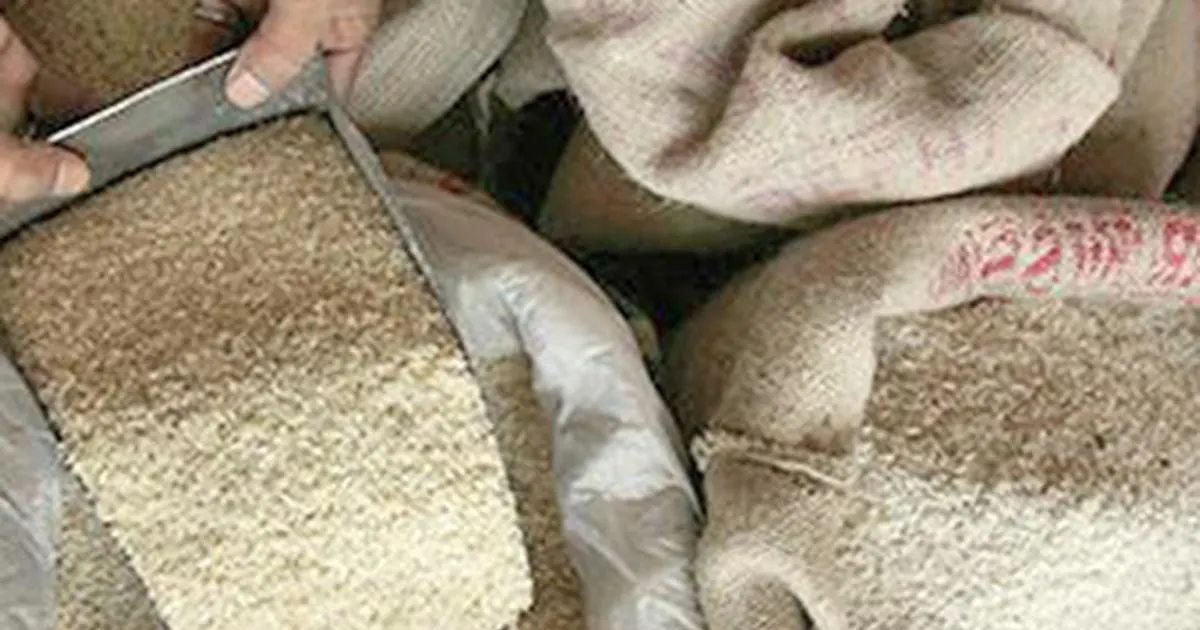
India said it will allow rice cargoes backed by letters of credit issued before September 9 to be shipped overseas, easing curbs imposed on September 8 that banned broken rice exports and added a 20% duty. The move frees roughly 1 million tonnes of rice trapped at ports and follows a notice allowing 600,000 tonnes of unmilled rice to Nepal.
Releasing stranded Indian rice supplies adds export availability to a market where India holds over 40% of global shipments, which pressures Asian export prices lower, though the duty and broader curbs keep the overall supply tight.
 thehindu.comReutersNov 1, 2022
After 100 past bearish policy events, RICE moved a median -0.1% over 5 sessions (49% higher; middle half -1.7% to +1.6%), and +0.1% over 20.
Moves of each commodity's benchmark from the last close before the event. Historical reads pool past events of the same kind; they describe what happened, not what will. Not investment advice.
India easing curbs by releasing about 1 million tonnes of stranded rice cargoes on Nov 1 is a trade-flow change that could move global prices, though it would mostly be bearish for export prices and the direction versus the US rough rice rise is unclear.
