Loading…
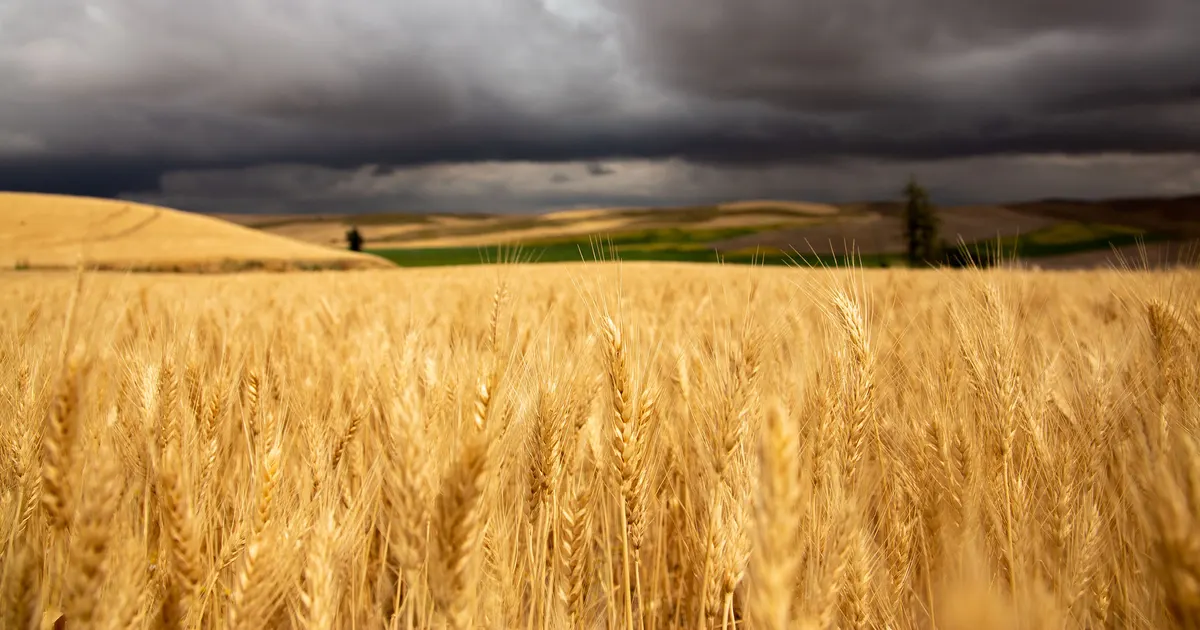
Analysis argues that lower futures prices, a drop in dry bulk freight, more planted area and a possible weaker dollar are shifting US wheat value toward importers. It notes that La Niña brought drought to the US and Argentina while boosting Australian output.
Lower US wheat values and easing freight costs favour buyers and point to softer US wheat export pricing, while weather remains the key swing factor.
 uswheat.orgMar 28, 2023
After 70 past bearish weather events, Wheat (HRW) moved a median -0.6% over 5 sessions (41% higher; middle half -3.9% to +2.5%), and -1.1% over 20.
After 334 past bearish weather events, Wheat (SRW) moved a median -0.2% over 5 sessions (47% higher; middle half -1.9% to +1.7%), and -0.2% over 20.
Moves of each commodity's benchmark from the last close before the event. Historical reads pool past events of the same kind; they describe what happened, not what will. Not investment advice.
