Loading…
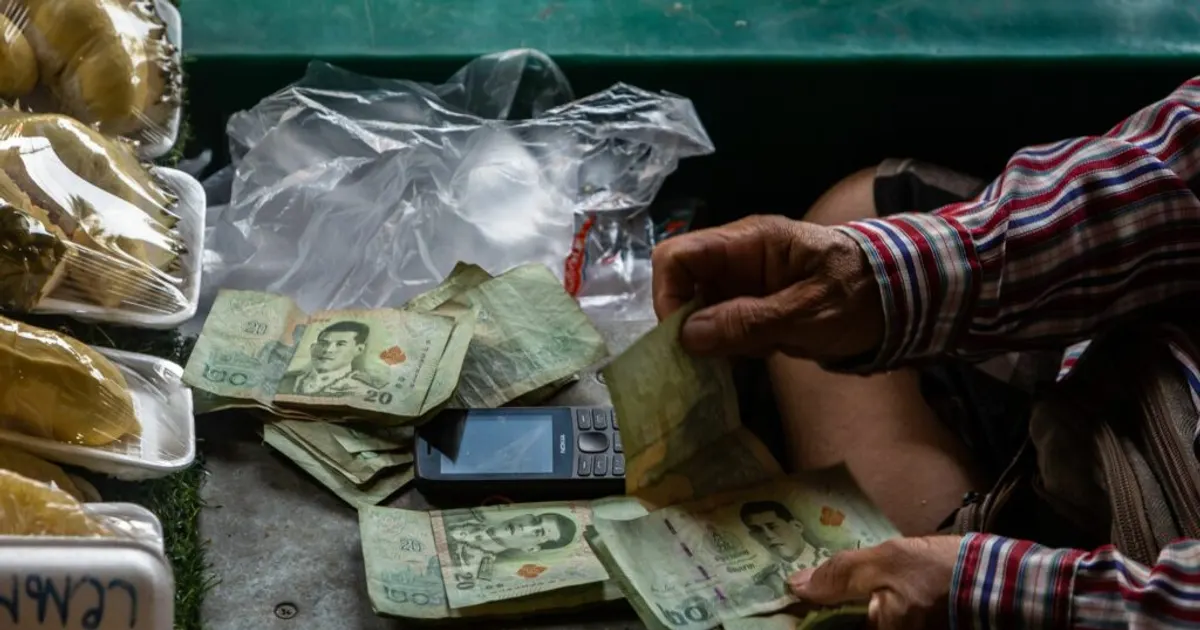
The Thai baht has fallen about 5% this year. Prime Minister Srettha Thavisin has pressed the central bank to cut rates to cushion an economic slowdown, and he and his advisers have publicly argued that commercial banks profit from high rates.
A weaker baht raises the local cost of dollar-priced feed imports such as soymeal and corn. Political pressure on rates adds uncertainty to Thai currency and import costs.
 financefundsupdate.comMilyeMar 4, 2024
Not enough comparable past events yet for a historical read.
Moves of each commodity's benchmark from the last close before the event. Historical reads pool past events of the same kind; they describe what happened, not what will. Not investment advice.
