Loading…
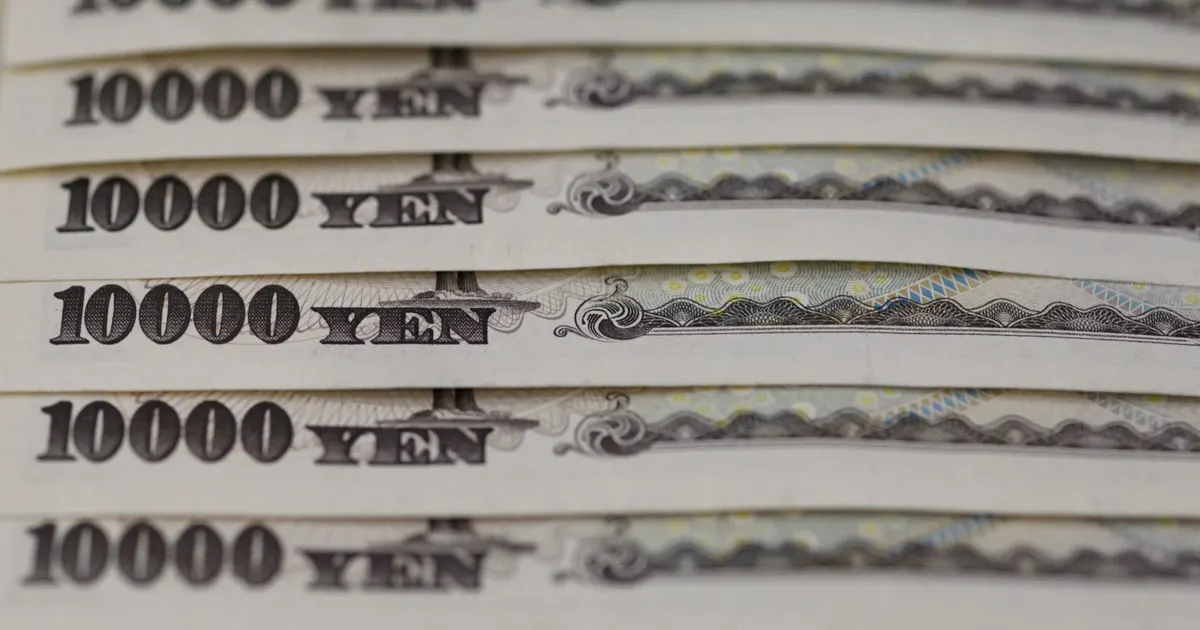
Japan's Ministry of Finance may have spent about 6 trillion yen intervening on May 1 after the yen dropped to 160.245 per dollar, the weakest since April 1990. BOJ data points to the sizeable gap between Japanese and US government bond yields as the main driver of the yen's slide.
The BOJ has signaled a cautious approach to further tightening.
Large intervention spending shows strong official resistance to yen weakness, which supports the yen and lowers the dollar cost of imported feed. The cautious BOJ stance means rate differentials may keep pressure on the yen.
 reuters.comKevin BucklandMay 2, 2024
Not enough comparable past events yet for a historical read.
Moves of each commodity's benchmark from the last close before the event. Historical reads pool past events of the same kind; they describe what happened, not what will. Not investment advice.
