Loading…
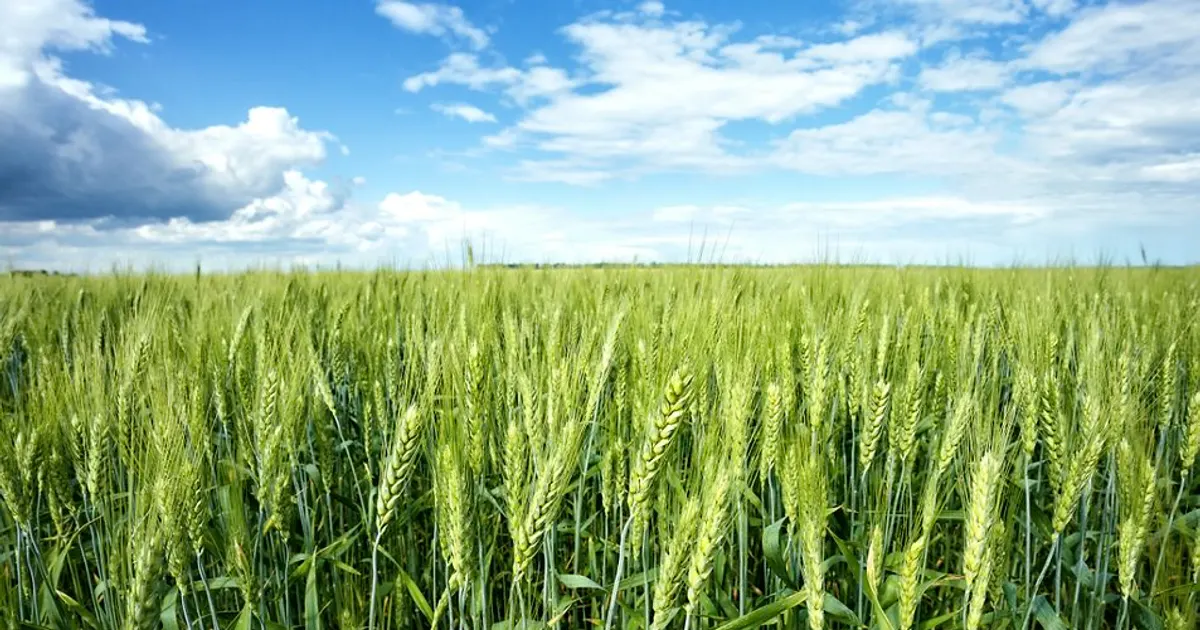
Wheat traders shifted focus from geopolitics and US tariffs back to crop progress and weather as new crops develop. The IGC reported global wheat export prices had a net 1% monthly drop in its April 17 report.
Improving US weather was cited as one of the largest bearish factors that week.
Expectations of normal crop weather in the US and Europe reduce risk premium, keeping wheat and feed-grain prices under pressure.
 world-grain.comChris LyddonApr 23, 2025
After 334 past bearish weather events, Wheat (SRW) moved a median -0.2% over 5 sessions (47% higher; middle half -1.9% to +1.7%), and -0.2% over 20.
After 70 past bearish weather events, Wheat (HRW) moved a median -0.6% over 5 sessions (41% higher; middle half -3.9% to +2.5%), and -1.1% over 20.
Moves of each commodity's benchmark from the last close before the event. Historical reads pool past events of the same kind; they describe what happened, not what will. Not investment advice.
