Loading…
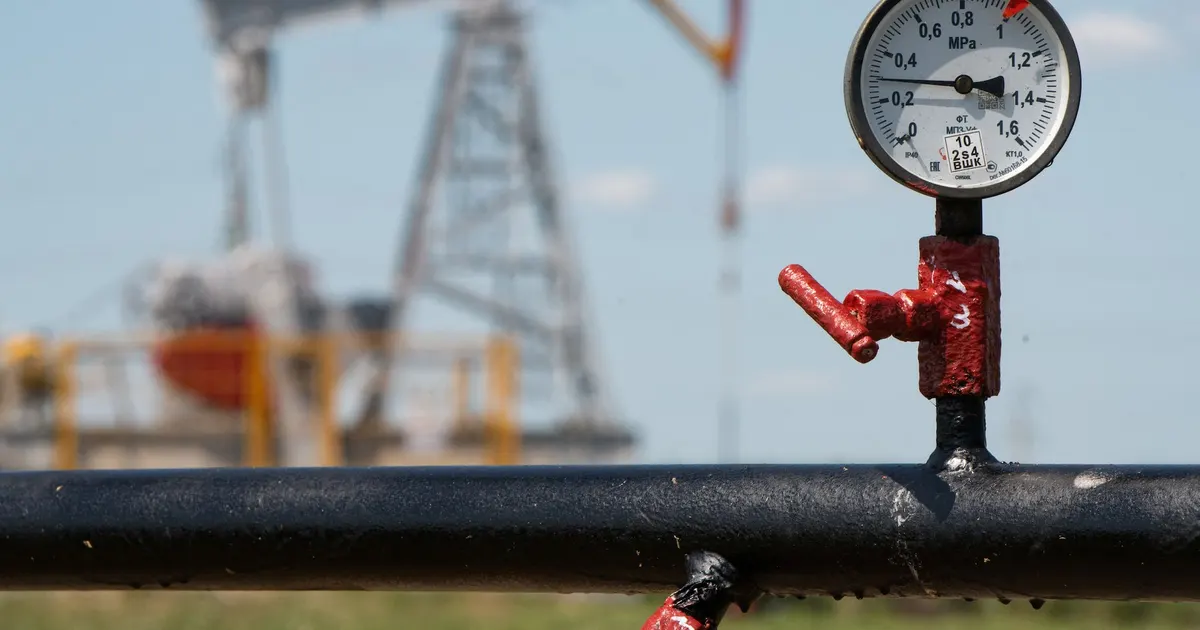
Oil prices fell on December 31 and finished the year with an annual loss of nearly 20%. The decline reflected expectations of oversupply despite a year of wars, higher tariffs, increased OPEC+ output and sanctions on Russia, Iran and Venezuela.
Expected surplus barrels keep crude pressured, which lowers diesel and fuel costs for feed mills and transport. Weaker energy also trims input costs for grain and oilseed processing.
 reuters.comEnes Tunagur, Laila KearneyJan 1, 2026
Not enough comparable past events yet for a historical read.
Not enough comparable past events yet for a historical read.
Moves of each commodity's benchmark from the last close before the event. Historical reads pool past events of the same kind; they describe what happened, not what will. Not investment advice.
