Loading…
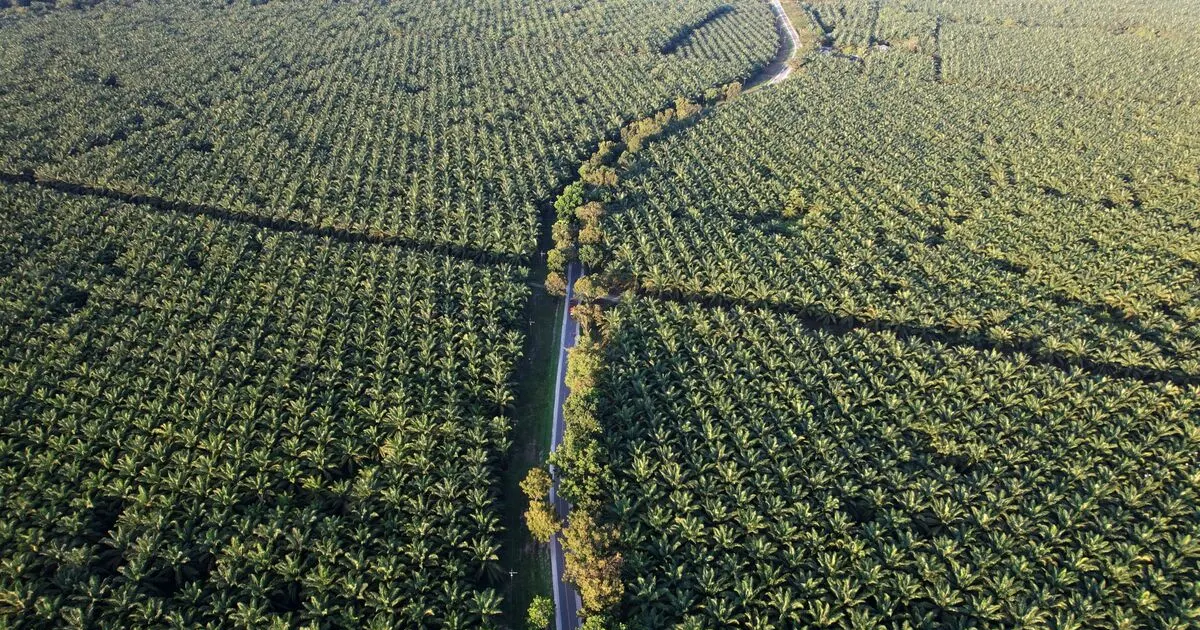
Indonesian palm oil prices fell as the commodity export overhaul created confusion among traders. Indonesia produces more than half of the world's palm oil, and the plan would route all exports through a government-created company.
The stated aim is to curb under-invoicing and give authorities more control over pricing.
Indonesia's dominant share of global palm oil exports means that a new state export channel can shift global prices. The initial price decline reflects expected supply friction and reduced export competitiveness.
 bloomberg.comAnuradha RaghuJun 1, 2026
After 400 past bearish policy events, Palm Oil moved a median -0.0% over 5 sessions (49% higher; middle half -1.3% to +1.1%), and +0.2% over 20.
Moves of each commodity's benchmark from the last close before the event. Historical reads pool past events of the same kind; they describe what happened, not what will. Not investment advice.
