Loading…
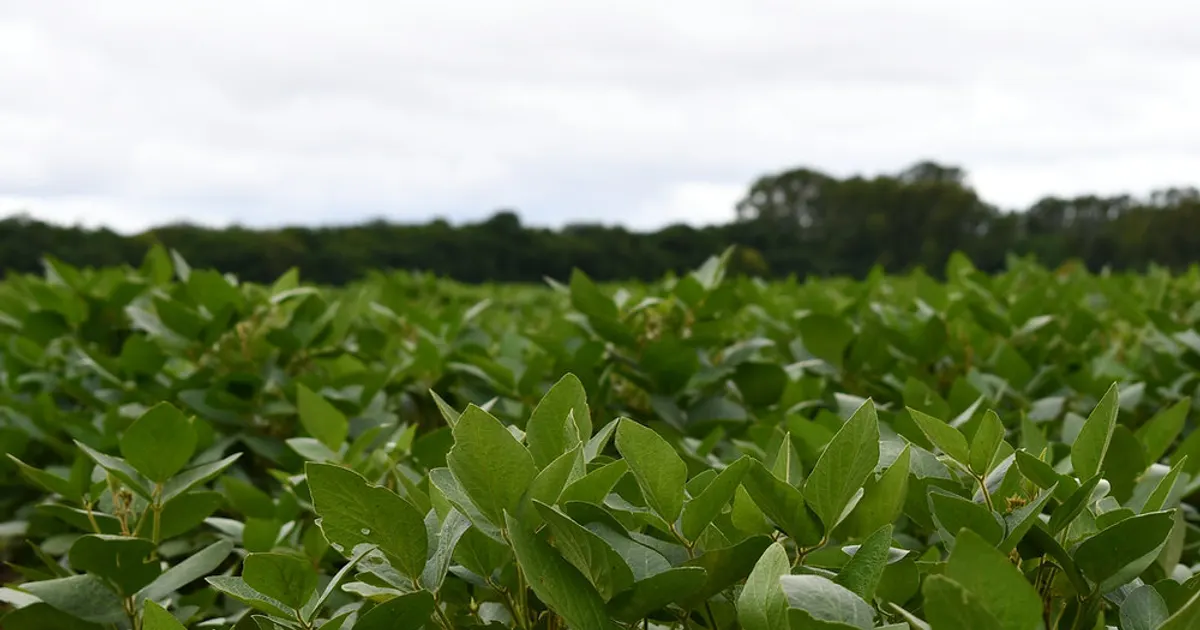
A North Dakota State University analysis finds that Chinese purchases of U.S. soybeans historically track the Brazil-U.S. landed price spread rather than political signals. The authors note that during the 2025 tariff period, U.S. exports to China fell when tariffs widened the U.S. price premium.
Chinese demand for U.S. beans depends on price competitiveness against Brazil, so purchases may stay tied to relative landed prices rather than the trade pledge. Traders should watch the Brazil-U.S. spread as a guide to future demand.
 capts-ndsu.comCAPTS NDSUDec 5, 2025
After 250 past neutral trade events, Soybeans moved a median +0.0% over 5 sessions (50% higher; middle half -1.4% to +1.6%), and -0.2% over 20.
Moves of each commodity's benchmark from the last close before the event. Historical reads pool past events of the same kind; they describe what happened, not what will. Not investment advice.
