Loading…
 FEEDSOFTAIFEEDSOFTAI
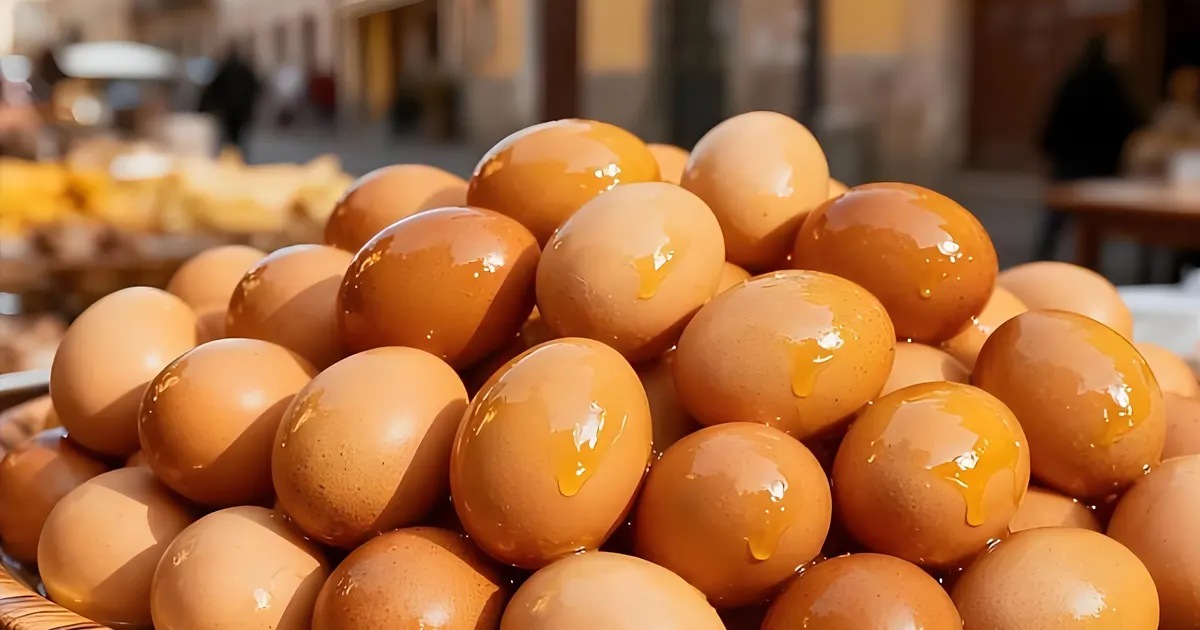
Chicks placed in June and July are entering peak laying in large numbers from November, adding new production capacity. Farmers are also delaying culls of older hens because culled-hen prices are weak, so the total laying flock has risen month-on-month for the first time since July.
A rising laying flock with weak demand after the Double 11 period points to softer Chinese egg prices until the pre-Spring Festival stocking period, which is the main demand swing factor for the quarter. Lower egg prices reduce pressure on demand for alternative feed inputs.
 sunsirs.comNov 27, 2026
Not enough comparable past events yet for a historical read.
Moves of each commodity's benchmark from the last close before the event. Historical reads pool past events of the same kind; they describe what happened, not what will. Not investment advice.