Loading…
 FEEDSOFTAIFEEDSOFTAI
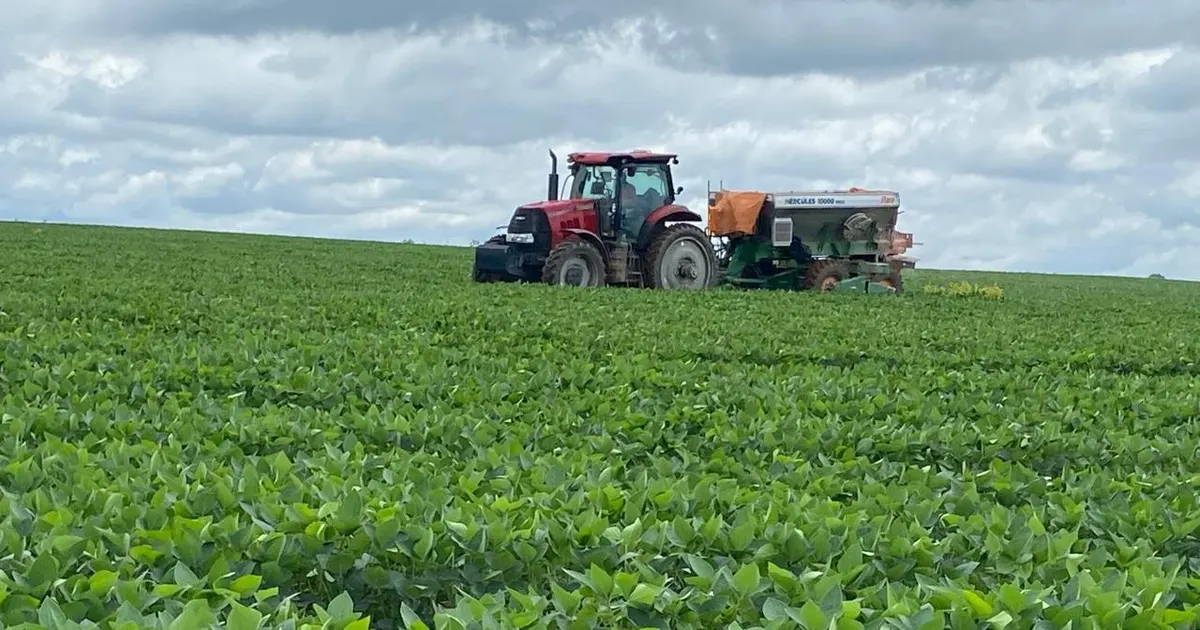
Most Brazilian producing regions have avoided the negative El Niño effects on soybean planting, except in the South. Conab reports 82.9% of the projected 2026/27 area planted, ahead of last year's 76.7% and the five-year average of 80.6%.
Analysts say the phenomenon does not necessarily cut yields, with replanting in parts of Mato Grosso likely smaller than in 2023/24.
A fast planting pace and favorable weather support expectations of a large Brazilian soybean crop, which weighs on world soybean and meal prices. The main risk is a drier summer hitting second-crop corn rather than soybeans.
 boca.com.brGabriel RodriguesNov 25, 2026
After 366 past bearish weather events, Soybeans moved a median -0.6% over 5 sessions (42% higher; middle half -2.5% to +1.2%), and -0.2% over 20.
Moves of each commodity's benchmark from the last close before the event. Historical reads pool past events of the same kind; they describe what happened, not what will. Not investment advice.