Loading…
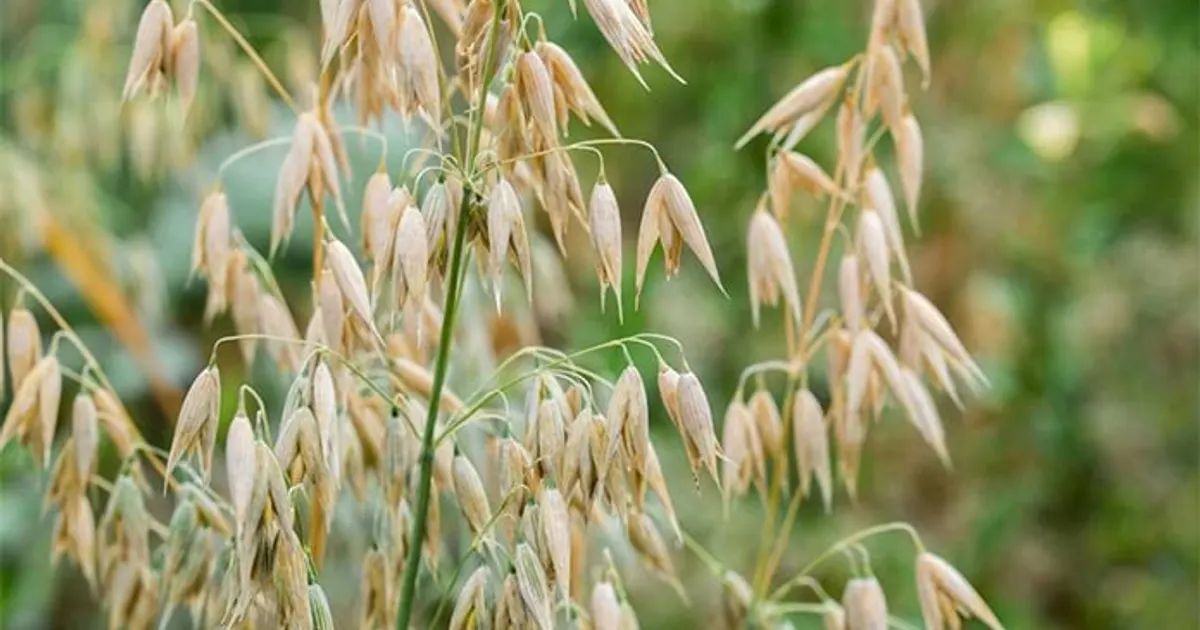
Researchers at Nottingham Trent University, ICARDA and Jimma University examined growing oats and alfalfa together rather than separately under rainfed, unfertilised conditions. The 1:1 intercrop produced 21% more dry matter than oat monoculture, with higher crude protein and metabolizable energy and lower fibre.
Better forage yield and quality from oat-alfalfa intercrops could over time reduce demand for purchased hay and concentrate feed on dairy and livestock farms, a modest long-run bearish signal for alfalfa and grass hay prices. The effect is a research finding, not a near-term supply change.
 feedandadditive.comBurak VarolNov 17, 2026
Not enough comparable past events yet for a historical read.
Moves of each commodity's benchmark from the last close before the event. Historical reads pool past events of the same kind; they describe what happened, not what will. Not investment advice.
