Cargando…
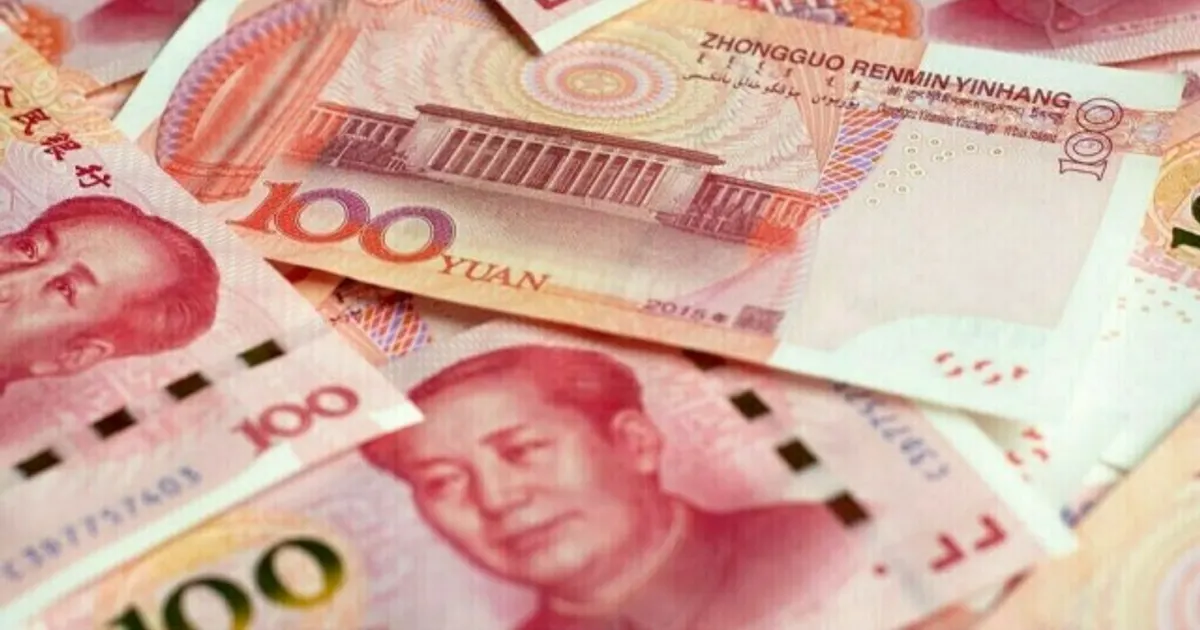
The yuan touched a more than two-year low against the dollar on Sept. 5, pressured by broad dollar strength and a resurgence of COVID-19 infections.
Shenzhen adopted tiered anti-virus restrictions and Chengdu extended lockdown curbs, while the PBOC set firmer-than-expected fixings.
Renewed COVID restrictions weaken Chinese economic activity and feed demand, and a weaker yuan raises the dollar cost of imports, both bearish for feed ingredient purchases.
 brecorder.comReuters5 sept 2022
Tras 487 eventos alcista de cualquier tipo pasados, Yuan chino (CNY por USD) se movió una mediana de +0,1 % en 5 sesiones (56% al alza; mitad central entre -0,3 % y +0,6 %), y +0,1 % en 20.
Tras 50 eventos bajista de enfermedad pasados, Soja se movió una mediana de +0,5 % en 5 sesiones (58% al alza; mitad central entre -1,7 % y +2,4 %), y +0,0 % en 20.
Tras 117 eventos bajista de enfermedad pasados, Cerdo magro se movió una mediana de -0,6 % en 5 sesiones (36% al alza; mitad central entre -2,2 % y +1,6 %), y +1,2 % en 20.
Variaciones de la referencia de cada materia prima desde el último cierre antes del evento. Las lecturas históricas agrupan eventos pasados del mismo tipo; describen lo ocurrido, no lo que ocurrirá. No es asesoramiento de inversión.
Dollar strength and COVID resurgence pushed the yuan to a two-year low on Sept. 5, setting the extreme starting point for the sharp reversal and contributing to the volatility.
