Lädt…
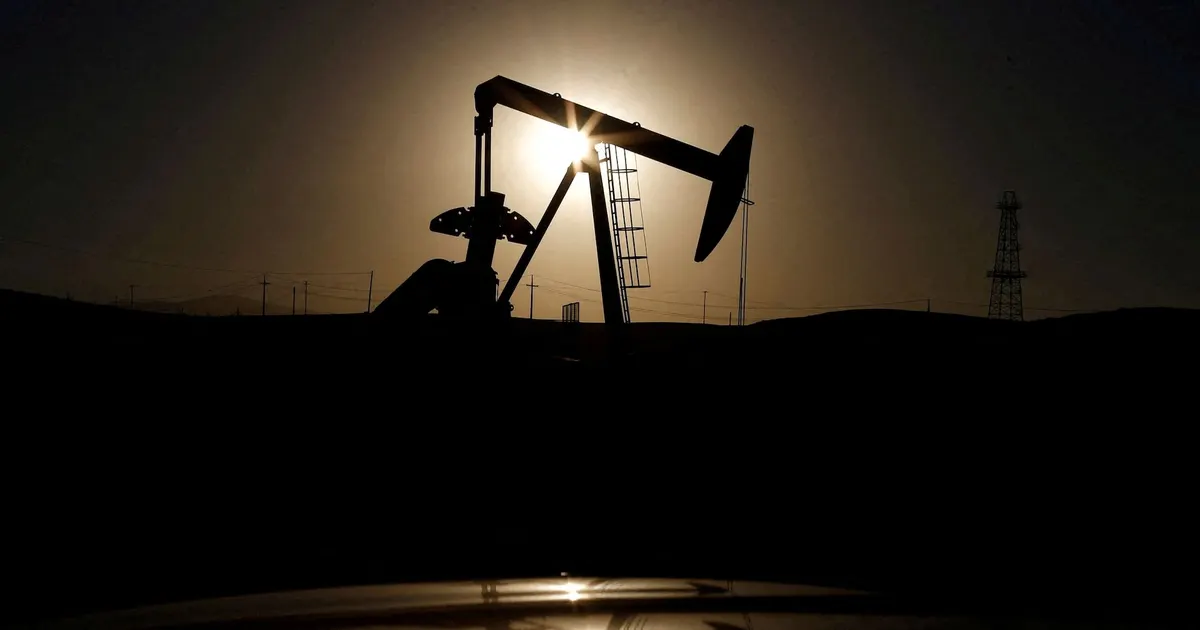
Oil prices rose 8% on Thursday, March 17, 2022, recovering from several days of losses. The rebound reflected renewed concern about supply shortages in the coming weeks because of sanctions on Russia, the world's second-largest crude exporter.
Sanctions-driven supply fears lift crude prices, which raise diesel, freight and fertilizer costs for feed producers and support biofuel-linked feedstocks such as soybean oil and corn.
 cnbc.comReuters17.03.2022
 reuters.comArathy Somasekhar17.03.2022
Nach 626 vergangenen Ereignisse (bullisch, Geopolitik) bewegte sich Rohöl (WTI) im Median über 5 Handelstage um +2,1 % (62% höher; mittlere Hälfte -2,3 % bis +8,5 %) und über 20 Handelstage um +1,6 %.
Nach 656 vergangenen Ereignisse (bullisch, Geopolitik) bewegte sich Rohöl (Brent) im Median über 5 Handelstage um +1,9 % (63% höher; mittlere Hälfte -2,7 % bis +6,6 %) und über 20 Handelstage um +0,7 %.
Nach 250 vergangenen Ereignisse (bullisch, Geopolitik) bewegte sich ULSD / Diesel im Median über 5 Handelstage um +1,7 % (58% höher; mittlere Hälfte -3,6 % bis +8,7 %) und über 20 Handelstage um +0,9 %.
Veränderungen des Benchmarks jedes Rohstoffs seit dem letzten Schluss vor dem Ereignis. Historische Werte bündeln frühere Ereignisse derselben Art; sie beschreiben, was passiert ist, nicht was passieren wird. Keine Anlageberatung.
Oil rose 8% on March 17 on renewed fears of Russian supply shortages from sanctions, driving the rebound in ULSD during the window.
The 8% rebound on March 17 on renewed Russian supply-shortage fears began the recovery from the March 15-16 low, lifting the 5-day change.
The 8% rebound on March 17 on Russian supply shortage concerns raised the base from which the later gains were measured and signalled the upward momentum.
