Lädt…
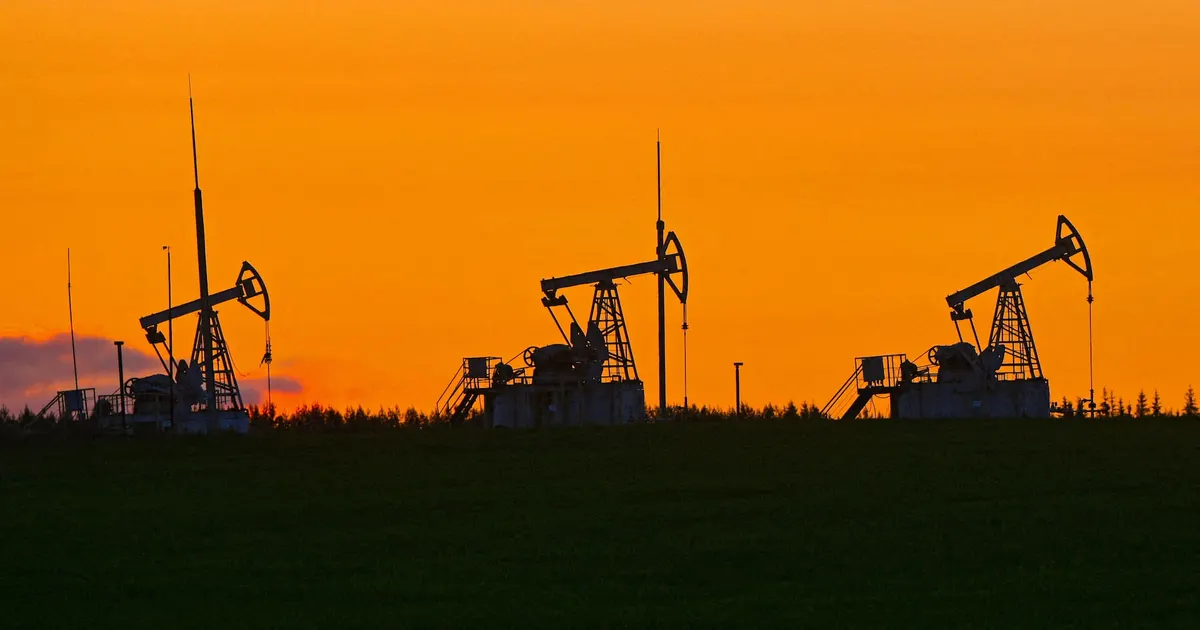
Oil prices surged about 5% to a two-week high after the US imposed sanctions on Rosneft and Lukoil over Russia's war in Ukraine. Brent settled at $65.99 and WTI at $61.79, and energy firms in China and India were weighing cuts to Russian imports.
If Chinese and Indian buyers cut Russian crude, global supply tightens and crude prices stay elevated. Higher crude supports biofuel and diesel costs, which can lift soybean oil and other energy-linked feed inputs.
 reuters.comScott Disavino22.10.2025
Nach 656 vergangenen Ereignisse (bullisch, Geopolitik) bewegte sich Rohöl (Brent) im Median über 5 Handelstage um +1,9 % (63% höher; mittlere Hälfte -2,7 % bis +6,6 %) und über 20 Handelstage um +0,7 %.
Nach 626 vergangenen Ereignisse (bullisch, Geopolitik) bewegte sich Rohöl (WTI) im Median über 5 Handelstage um +2,1 % (62% höher; mittlere Hälfte -2,3 % bis +8,5 %) und über 20 Handelstage um +1,6 %.
Nach 250 vergangenen Ereignisse (bullisch, Geopolitik) bewegte sich ULSD / Diesel im Median über 5 Handelstage um +1,7 % (58% höher; mittlere Hälfte -3,6 % bis +8,7 %) und über 20 Handelstage um +0,9 %.
Veränderungen des Benchmarks jedes Rohstoffs seit dem letzten Schluss vor dem Ereignis. Historische Werte bündeln frühere Ereignisse derselben Art; sie beschreiben, was passiert ist, nicht was passieren wird. Keine Anlageberatung.
Reuters report dated Oct 22 of oil surging about 5% after US sanctions on Rosneft and Lukoil, with Brent settling near $66, directly matches the 1-day move through 2025-10-22.
US sanctions on Rosneft and Lukoil threaten Russian crude supply and trade flows, driving Brent up about 5% to a two-week high.
US sanctions on Rosneft and Lukoil on Oct 22 sent crude up ~5%, a supply-risk shock that directly lifted ULSD futures the same day.
The sanctions on Russian majors drove a ~5% crude surge, lifting diesel via input cost and supply-risk sentiment; the settlement is dated Oct 22 but the move carried into the Oct 23 diesel session.
