Lädt…
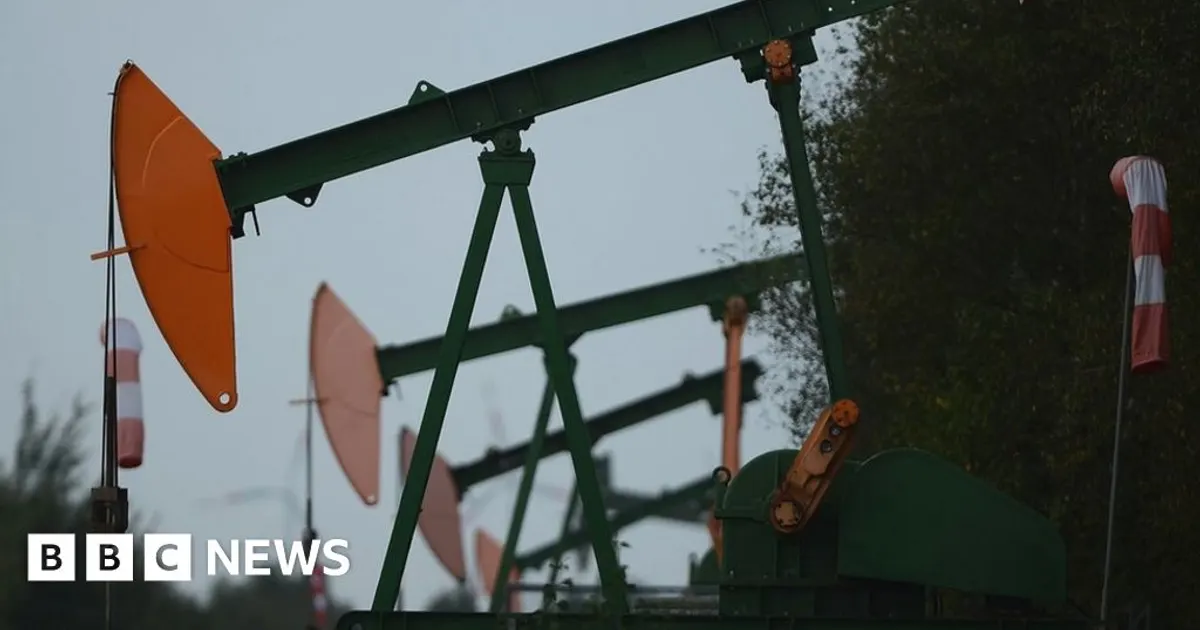
US oil prices turned negative for the first time, with WTI falling as low as minus $37.63 a barrel. Producers paid buyers to take crude as storage capacity was expected to run out, while lockdowns had dried up demand.
The negative price reflects a storage-driven glut from lockdown-driven demand loss, signalling deep downward pressure on crude. Lower energy prices reduce input costs but also weaken biofuel economics that support vegetable oil and grain demand.
 bbc.comAdd as preferred on Google20.04.2020
Nach 565 vergangenen Ereignisse (bearisch, Makro) bewegte sich Rohöl (WTI) im Median über 5 Handelstage um -1,4 % (41% höher; mittlere Hälfte -5,9 % bis +3,0 %) und über 20 Handelstage um -0,5 %.
Nach 312 vergangenen Ereignisse (bearisch, Makro) bewegte sich Rohöl (Brent) im Median über 5 Handelstage um -1,7 % (38% höher; mittlere Hälfte -5,4 % bis +2,3 %) und über 20 Handelstage um -1,7 %.
Veränderungen des Benchmarks jedes Rohstoffs seit dem letzten Schluss vor dem Ereignis. Historische Werte bündeln frühere Ereignisse derselben Art; sie beschreiben, was passiert ist, nicht was passieren wird. Keine Anlageberatung.
WTI turning negative on 20 April signaled storage exhaustion and demand collapse, spilling over into Brent via sentiment and a rush out of futures.
WTI going negative on Apr 20 triggered contagion and panic into Brent, with the storage shortage signaling the same glut risk globally.
