加载中…
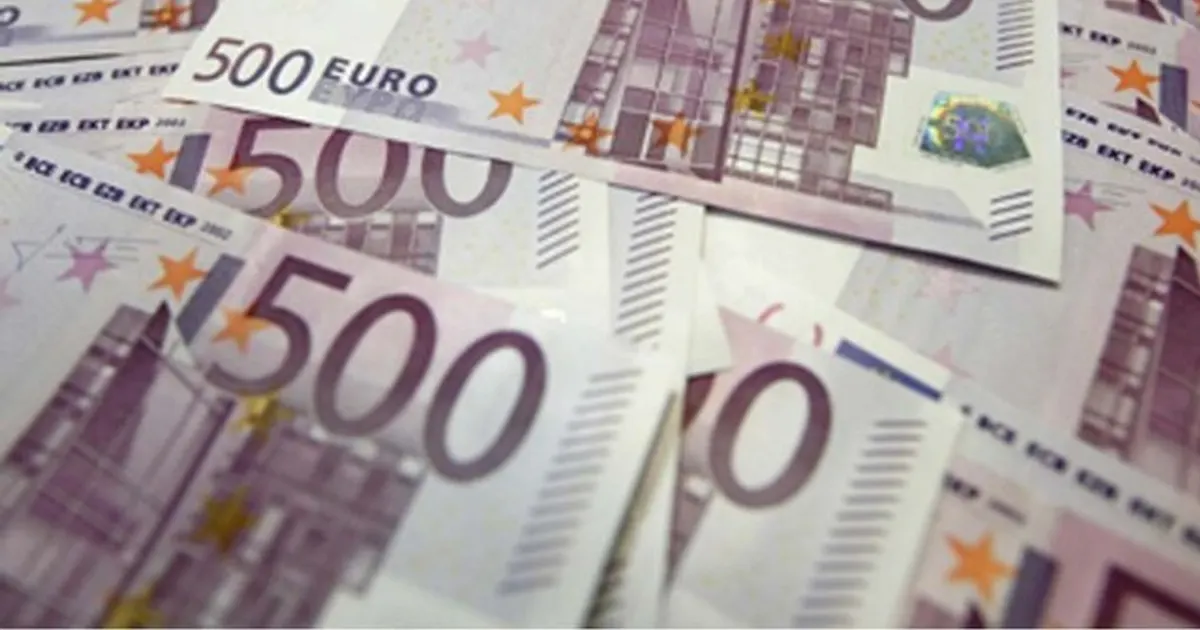
The euro fell to its lowest level since May 2020 after Russia's full-scale invasion of Ukraine, with a touch as low as $1.1106. The rouble hit a record low, and the US responded with sanctions on Russian banks and state-owned enterprises.
Sanctions and the flight to the dollar strengthen the greenback and pressure euro-linked commodity prices. Disruption to Black Sea exports is a supply risk for grain and meal markets.
 brecorder.comReuters2022年2月25日
在过去 36 次看跌的地缘政治事件之后,欧元(每 EUR 的 USD) 在 5 个交易日内中位数变动 -1.0%(22% 上涨;中间一半区间为 -1.8% 至 -0.3%),20 个交易日内为 -0.7%。
在过去 89 次看涨的地缘政治事件之后,美元(广义) 在 5 个交易日内中位数变动 +0.5%(74% 上涨;中间一半区间为 -0.0% 至 +1.0%),20 个交易日内为 +0.3%。
在过去 361 次看涨的地缘政治事件之后,小麦(SRW) 在 5 个交易日内中位数变动 +0.7%(58% 上涨;中间一半区间为 -1.4% 至 +3.7%),20 个交易日内为 +1.3%。
各商品基准价相对事件前最后收盘价的变动。历史数据汇总同类过往事件;仅描述已发生的情况,不代表未来走势。不构成投资建议。
Recaps the euro's drop to $1.1106 after the full-scale invasion and the sanctions response; it is dated a day later but describes the same move.
