加载中…
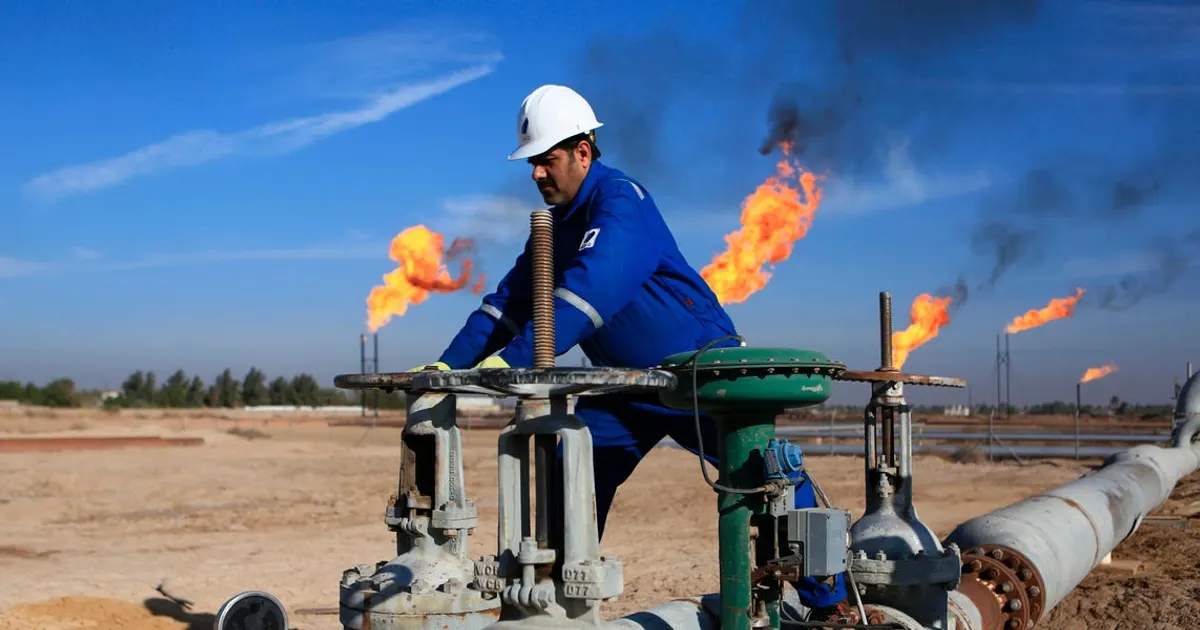
Oil prices fell more than 5% on Thursday, putting them on track for their biggest weekly drop of the year. The decline followed weak US manufacturing data, rising shale output, softer refinery demand, and concerns that the US-China trade war would hurt global economic demand.
Weak manufacturing data and trade-war concerns reduce expected energy and industrial demand, pressuring crude and fuel prices. Lower energy costs also weigh on biofuel margins and related feed inputs.
 businessinsider.comTheron Mohamed2019年5月24日
在过去 565 次看跌的宏观事件之后,原油(WTI) 在 5 个交易日内中位数变动 -1.4%(41% 上涨;中间一半区间为 -5.9% 至 +3.0%),20 个交易日内为 -0.5%。
在过去 312 次看跌的宏观事件之后,原油(Brent) 在 5 个交易日内中位数变动 -1.7%(38% 上涨;中间一半区间为 -5.4% 至 +2.3%),20 个交易日内为 -1.7%。
在过去 79 次看跌的宏观事件之后,ULSD / 柴油 在 5 个交易日内中位数变动 -1.0%(39% 上涨;中间一半区间为 -5.7% 至 +1.7%),20 个交易日内为 -1.5%。
各商品基准价相对事件前最后收盘价的变动。历史数据汇总同类过往事件;仅描述已发生的情况,不代表未来走势。不构成投资建议。
Attributes the over 5% Thursday fall to weak manufacturing data, shale output growth and trade-war demand concerns.
Oil fell over 5% on trade-war and weak demand worries (biggest weekly drop of the year), a sentiment and demand shock that dragged diesel futures lower.
Cites weak US manufacturing, rising shale output and trade-war demand worries as drivers of the drop of more than 5%.
