加载中…
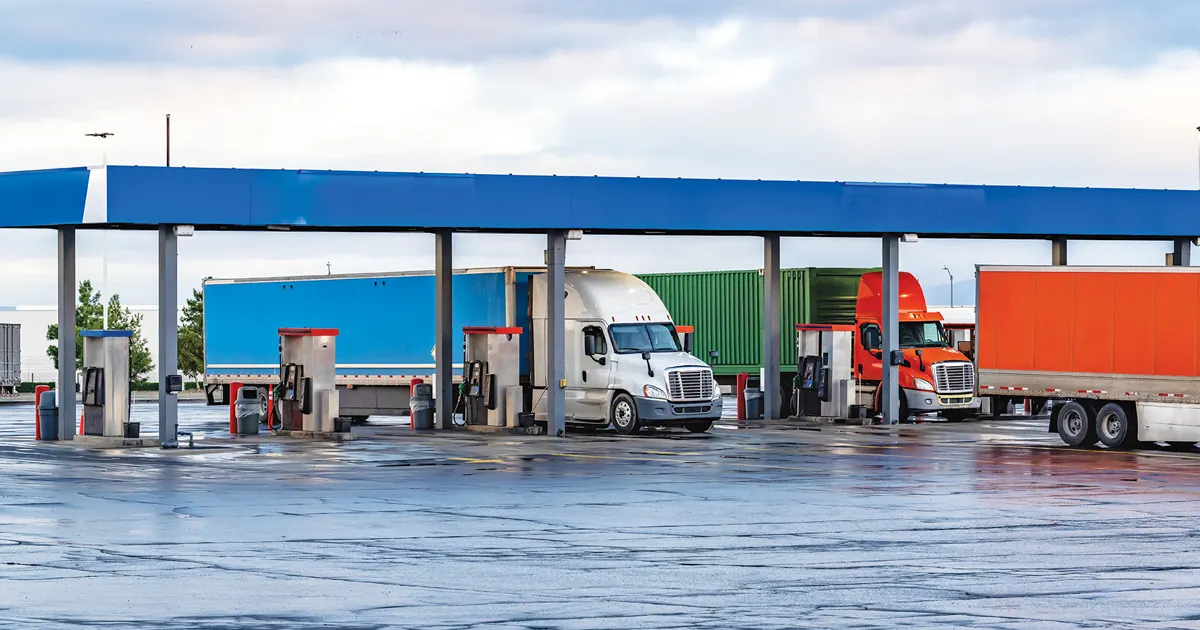
Gasoline and diesel futures surged after US and Israeli attacks on Iran halted most tanker traffic through the Strait of Hormuz. Crude jumped about 14% and diesel futures rose as much as 17% on March 2, 2026.
Disruption to Hormuz tanker flows removes a major share of seaborne crude and fuel supply, pushing energy costs higher for farm diesel, transport and processing. Higher energy prices also lift the cost of fertilizer and biofuel-linked feedstocks.
 ttnews.comAri Natter, Will Kubzansky2026年3月2日
在过去 626 次看涨的地缘政治事件之后,原油(WTI) 在 5 个交易日内中位数变动 +2.1%(62% 上涨;中间一半区间为 -2.3% 至 +8.5%),20 个交易日内为 +1.6%。
在过去 656 次看涨的地缘政治事件之后,原油(Brent) 在 5 个交易日内中位数变动 +1.9%(63% 上涨;中间一半区间为 -2.7% 至 +6.6%),20 个交易日内为 +0.7%。
在过去 250 次看涨的地缘政治事件之后,ULSD / 柴油 在 5 个交易日内中位数变动 +1.7%(58% 上涨;中间一半区间为 -3.6% 至 +8.7%),20 个交易日内为 +0.9%。
在过去 136 次看涨的地缘政治事件之后,天然气 在 5 个交易日内中位数变动 +2.7%(63% 上涨;中间一半区间为 -1.8% 至 +8.8%),20 个交易日内为 +4.0%。
各商品基准价相对事件前最后收盘价的变动。历史数据汇总同类过往事件;仅描述已发生的情况,不代表未来走势。不构成投资建议。
Crude up ~14% intraday on March 2 as tanker traffic through Hormuz halted, confirming the supply shock mechanism.
