加载中…
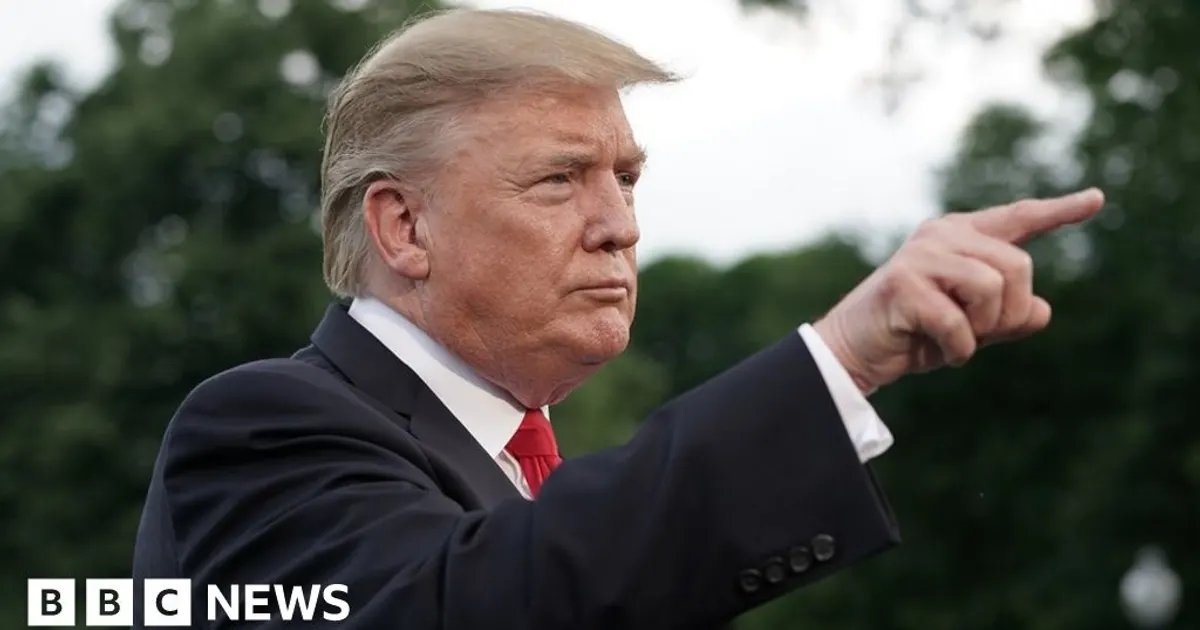
President Trump announced a fresh 10% tariff on another $300 billion of Chinese goods, effective September 1, after bilateral talks made little progress. He accused China of not honoring commitments to buy more U.S. agricultural products.
Chinese Foreign Minister Wang Yi criticized the move, and markets fell sharply in response.
Tariffs on the broad range of Chinese imports and the complaint about unmet farm purchases point to reduced U.S. agricultural export demand to China. That is bearish for soybeans and other U.S. feed grains.
 agronews.com.plMałgorzata Kulma2019年8月5日
 bbc.comAdd as preferred on Google2019年8月1日
 cnbc.comReuters2019年8月1日
 nutraingredients.comHank Schultz2019年8月2日
在过去 683 次看跌的贸易事件之后,玉米 在 5 个交易日内中位数变动 -0.2%(47% 上涨;中间一半区间为 -1.7% 至 +1.6%),20 个交易日内为 +0.3%。
在过去 803 次看跌的贸易事件之后,大豆 在 5 个交易日内中位数变动 +0.0%(51% 上涨;中间一半区间为 -1.7% 至 +1.7%),20 个交易日内为 +0.9%。
历史可比事件尚不足,暂无法给出历史解读。
在过去 80 次看跌的贸易事件之后,原油(WTI) 在 5 个交易日内中位数变动 -2.2%(30% 上涨;中间一半区间为 -6.9% 至 +0.8%),20 个交易日内为 -1.5%。
各商品基准价相对事件前最后收盘价的变动。历史数据汇总同类过往事件;仅描述已发生的情况,不代表未来走势。不构成投资建议。
The new 10% tariff on $300B of Chinese goods triggered the trade escalation and recession fears that hit crude demand expectations.
The Aug 1 tariff escalation and accusation that China wasn't buying US farm goods raised fears of lost export demand, setting up the sell-off that carried into Aug 5.
