加载中…
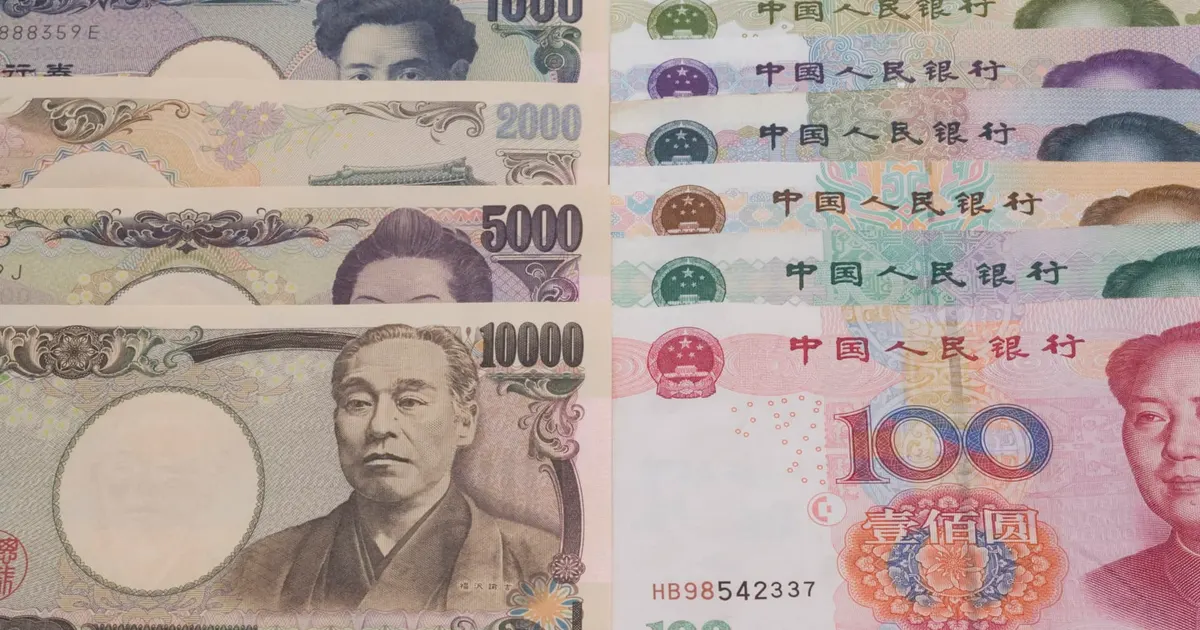
The yuan fell to 6.92 per dollar, its weakest since December, as China announced higher tariffs on $60 billion of US goods after the US raised tariffs on $200 billion of Chinese products. Concerns grew that China might sell its Treasury holdings as leverage.
Retaliatory tariffs on US goods threaten US farm export demand, particularly soybeans, and a weaker yuan makes US agricultural imports more expensive for Chinese buyers, pressuring US feed grain and soybean prices.
 cnbc.comReuters2019年5月13日
在过去 803 次看跌的贸易事件之后,大豆 在 5 个交易日内中位数变动 +0.0%(51% 上涨;中间一半区间为 -1.7% 至 +1.7%),20 个交易日内为 +0.9%。
在过去 683 次看跌的贸易事件之后,玉米 在 5 个交易日内中位数变动 -0.2%(47% 上涨;中间一半区间为 -1.7% 至 +1.6%),20 个交易日内为 +0.3%。
在过去 40 次看涨的贸易事件之后,人民币(每 USD 的 CNY) 在 5 个交易日内中位数变动 +0.6%(75% 上涨;中间一半区间为 +0.0% 至 +1.4%),20 个交易日内为 +1.1%。
各商品基准价相对事件前最后收盘价的变动。历史数据汇总同类过往事件;仅描述已发生的情况,不代表未来走势。不构成投资建议。
On 2019-05-13 the yuan fell to about 6.92 per dollar, its weakest since December, after China announced retaliatory tariffs on $60B of US goods, which directly explains the 0.80% one-day move.
China's tariff hike on $60B of US goods on May 13 is the main trade shock hitting soybean demand expectations.
