加载中…
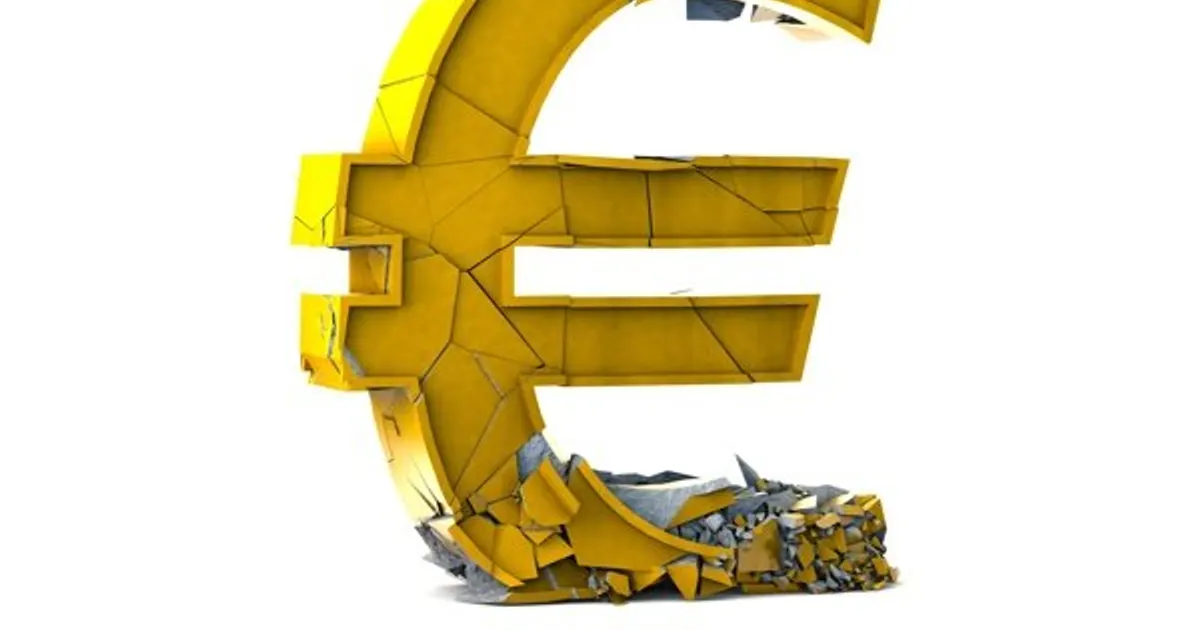
The euro fell below 1.07 to a two-year low, extending losses for a fourth day. Traders attributed the decline to the Russia-Ukraine war, uncertainty over Russian energy supplies, and expectations of a more hawkish Fed that widened the US-Europe rate gap.
Sanctions and energy uncertainty weigh on eurozone growth and the euro, lifting the dollar cost of imported feed commodities for European buyers. Higher US rates would also tighten dollar funding conditions.
 marketpulse.comKenneth Fisher2022年4月26日
在过去 36 次看跌的地缘政治事件之后,欧元(每 EUR 的 USD) 在 5 个交易日内中位数变动 -1.0%(22% 上涨;中间一半区间为 -1.8% 至 -0.3%),20 个交易日内为 -0.7%。
在过去 89 次看涨的地缘政治事件之后,美元(广义) 在 5 个交易日内中位数变动 +0.5%(74% 上涨;中间一半区间为 -0.0% 至 +1.0%),20 个交易日内为 +0.3%。
在过去 626 次看涨的地缘政治事件之后,原油(WTI) 在 5 个交易日内中位数变动 +2.1%(62% 上涨;中间一半区间为 -2.3% 至 +8.5%),20 个交易日内为 +1.6%。
各商品基准价相对事件前最后收盘价的变动。历史数据汇总同类过往事件;仅描述已发生的情况,不代表未来走势。不构成投资建议。
Euro slid to a two-year low early in the window on war, energy uncertainty and a widening US-Europe rate gap, helping start the 5-day decline.
Euro fell to a two-year low on war, energy uncertainty and a wider US-Europe rate gap, adding to USD strength.
