加载中…
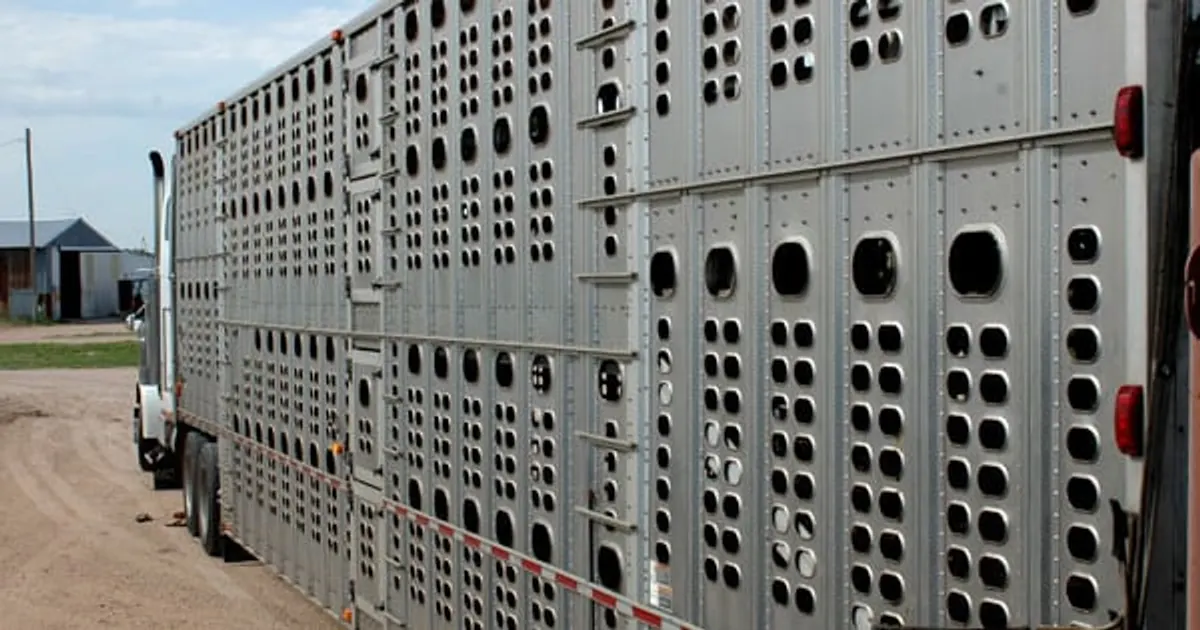
The Tyson Foods Finney County beef plant in Holcomb, Kansas, was partly destroyed by fire on August 10, and cattle futures fell limit down on the Monday after. Analysts estimated the lost slaughter capacity at roughly 30,000 head per week, about 6% of U.S. fed cattle packing capacity.
The plant accounted for about 23.5% of Kansas fed cattle packing capacity.
The loss of weekly slaughter capacity disrupts both fed cattle and boxed beef markets, adding logistics costs for rerouting cattle and beef. Those costs and the shortfall in packing capacity weigh on live cattle and feeder cattle prices.
 beefmagazine.comWes Ishmael2019年8月13日
在过去 29 次看跌的物流事件之后,活牛 在 5 个交易日内中位数变动 -0.3%(38% 上涨;中间一半区间为 -2.0% 至 +0.5%),20 个交易日内为 -3.7%。
在过去 20 次看跌的物流事件之后,架子牛 在 5 个交易日内中位数变动 +1.3%(60% 上涨;中间一半区间为 -0.7% 至 +2.0%),20 个交易日内为 +2.1%。
各商品基准价相对事件前最后收盘价的变动。历史数据汇总同类过往事件;仅描述已发生的情况,不代表未来走势。不构成投资建议。
The Aug 10 Tyson Holcomb plant fire removed roughly 6% of U.S. fed cattle packing capacity, cutting demand for cattle and sending futures limit down on Monday Aug 12, which directly explains the feeder cattle drop.
Tyson Holcomb fire removed roughly 6% of US fed cattle packing capacity, and live cattle futures went limit down, which directly explains the 5-day drop.
The Aug 10 Tyson Holcomb plant fire removed roughly 6% of US fed cattle packing capacity, and futures went limit down on Monday Aug 12, so reduced slaughter demand for live cattle explains the drop.
The Tyson Holcomb plant fire removed roughly 6% of U.S. fed cattle packing capacity, which cut packer demand for cattle and pushed futures limit down, so feeder cattle fell sharply.
