加载中…
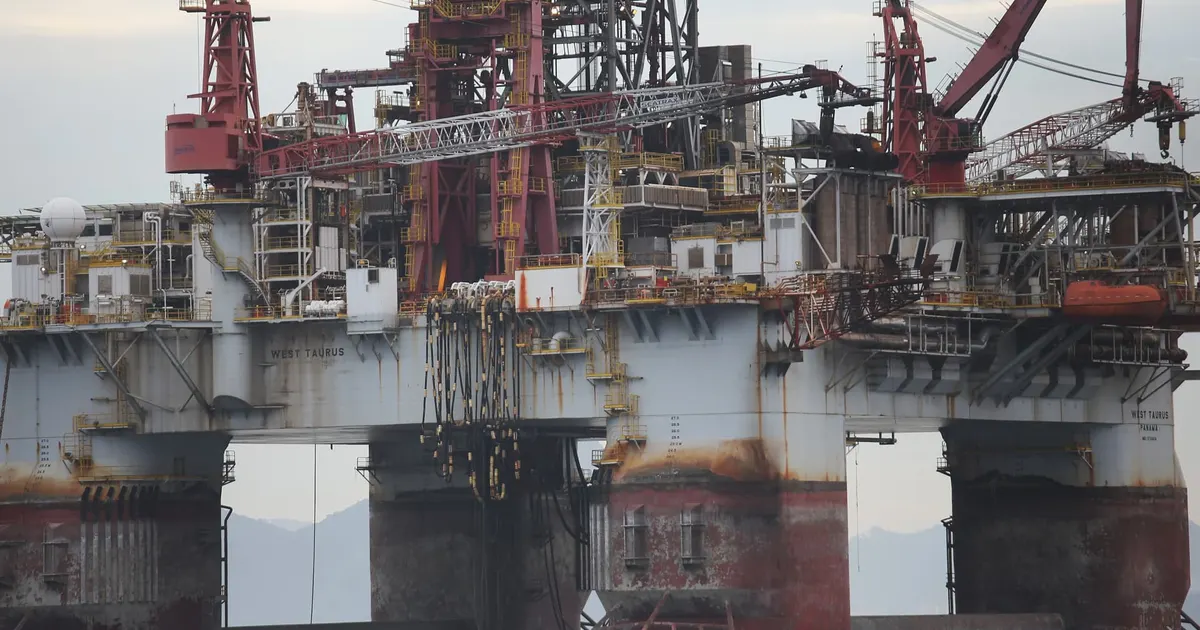
Oil fell about 5.7% on May 22, 2019, with WTI settling at $57.91, its lowest close since March 12. Brent fell to $67.64 intraday.
Losses were driven by expectations of a prolonged US-China trade war and weak manufacturing data from Japan, Germany and the EU, while easing Middle East tensions added pressure.
Expectations of weaker global growth and fuel demand push crude lower, which in turn lowers energy input costs and reduces support for biofuel-linked feedstocks.
 cnbc.comTom DiChristopher2019年5月23日
在过去 80 次看跌的贸易事件之后,原油(WTI) 在 5 个交易日内中位数变动 -2.2%(30% 上涨;中间一半区间为 -6.9% 至 +0.8%),20 个交易日内为 -1.5%。
在过去 56 次看跌的贸易事件之后,原油(Brent) 在 5 个交易日内中位数变动 -5.6%(20% 上涨;中间一半区间为 -9.0% 至 -1.7%),20 个交易日内为 -4.5%。
各商品基准价相对事件前最后收盘价的变动。历史数据汇总同类过往事件;仅描述已发生的情况,不代表未来走势。不构成投资建议。
Describes the May 22 WTI drop (settling $57.91) driven by a prolonged US-China trade war outlook and weak global manufacturing data, matching the move's date and size.
Describes the same selloff on trade war expectations and weak global manufacturing, though its dating is inconsistent.
