加载中…
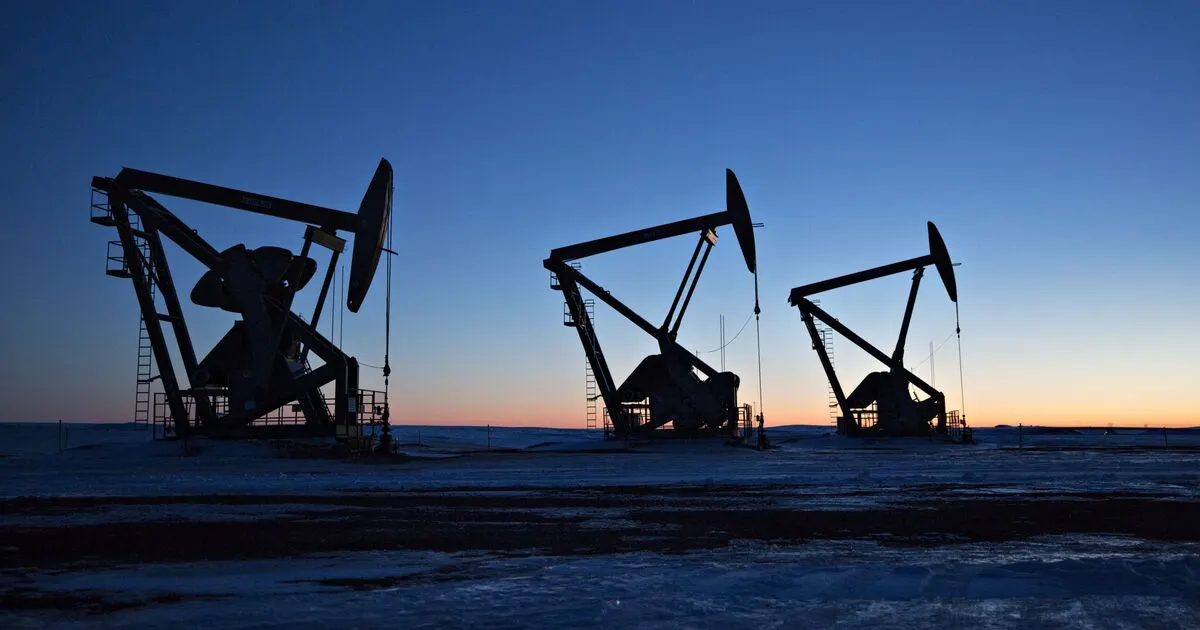
Citigroup's head of commodities research attributed the collapse in crude since early October to the State Department's shifting stance on Iran sanctions, President Trump's tweets about OPEC supply, the trade war with China, and rapid growth in U.S. shale output. These factors are all cited as drivers of the price drop.
Policy signals and shale supply growth point to a longer period of ample crude, which tends to weigh on energy input costs and biofuel-linked demand for feedstocks.
 bloomberg.comDan Murtaugh2018年11月15日
在过去 255 次看跌的地缘政治事件之后,原油(WTI) 在 5 个交易日内中位数变动 -2.4%(31% 上涨;中间一半区间为 -7.0% 至 +1.7%),20 个交易日内为 -5.0%。
在过去 250 次看跌的地缘政治事件之后,原油(Brent) 在 5 个交易日内中位数变动 -3.1%(36% 上涨;中间一半区间为 -7.9% 至 +1.6%),20 个交易日内为 -5.5%。
各商品基准价相对事件前最后收盘价的变动。历史数据汇总同类过往事件;仅描述已发生的情况,不代表未来走势。不构成投资建议。
Citi attributes the crude collapse to Iran sanctions waivers, Trump's OPEC tweets, trade war and shale growth, which together weighed on supply/demand sentiment, though it describes the earlier slide rather than the final week.
Identifies drivers of the multi-week slump (softer Iran sanctions stance, shale growth, trade war, Trump tweets on OPEC) that sustained bearish positioning, though dated a week before the move.
Cites shifted Iran sanctions stance, Trump's OPEC tweets, trade war and US shale growth as causes, which broadly explain the decline but it is dated after the window and is retrospective.
