加载中…
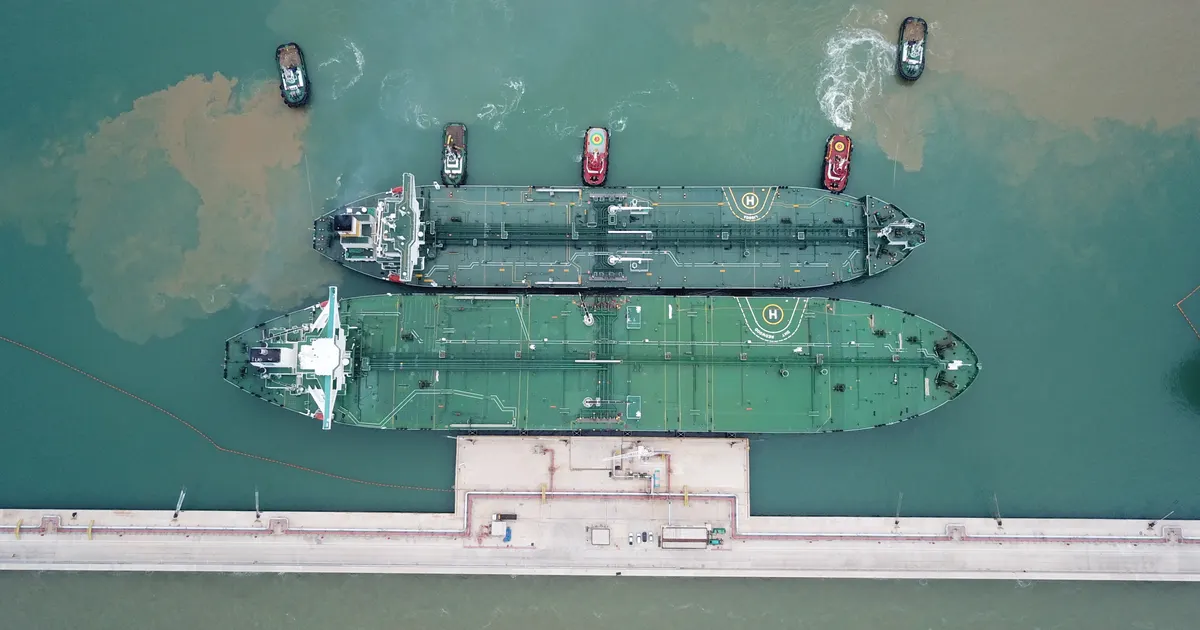
Oil prices surged more than 12% after China instructed government agencies to start buying cheap crude for its strategic reserves. The purchases came after oil had plunged 66% in the first three months of 2020 amid collapsing demand from the coronavirus.
Dated Brent was assessed at $15.135 a barrel, its lowest level since at least 1999.
Chinese state stockpiling absorbs surplus crude and supports energy prices, which feed through to diesel and freight costs for feed producers. Higher crude also tends to lift biofuel-linked demand for vegetable oils and grains.
 worldoil.comSharon Cho2020年4月2日
在过去 438 次看涨的政策事件之后,原油(WTI) 在 5 个交易日内中位数变动 +0.9%(61% 上涨;中间一半区间为 -2.2% 至 +4.6%),20 个交易日内为 +2.0%。
在过去 442 次看涨的政策事件之后,原油(Brent) 在 5 个交易日内中位数变动 +1.4%(60% 上涨;中间一半区间为 -2.0% 至 +4.9%),20 个交易日内为 +2.1%。
各商品基准价相对事件前最后收盘价的变动。历史数据汇总同类过往事件;仅描述已发生的情况,不代表未来走势。不构成投资建议。
China's instruction to buy cheap crude for strategic reserves added demand-side support and rebound momentum from very depressed levels (Dated Brent at lows).
China's strategic reserve buying added demand support and extended the rebound from extremely depressed prices.
China's strategic reserve buying added demand-side support to the rebound from record lows.
China's instruction to buy cheap crude for strategic reserves added demand-side support to the rebound from deeply oversold levels.
China's strategic reserve buying added demand support and rebound from extreme lows (Dated Brent $15), contributing to the bounce.
