加载中…
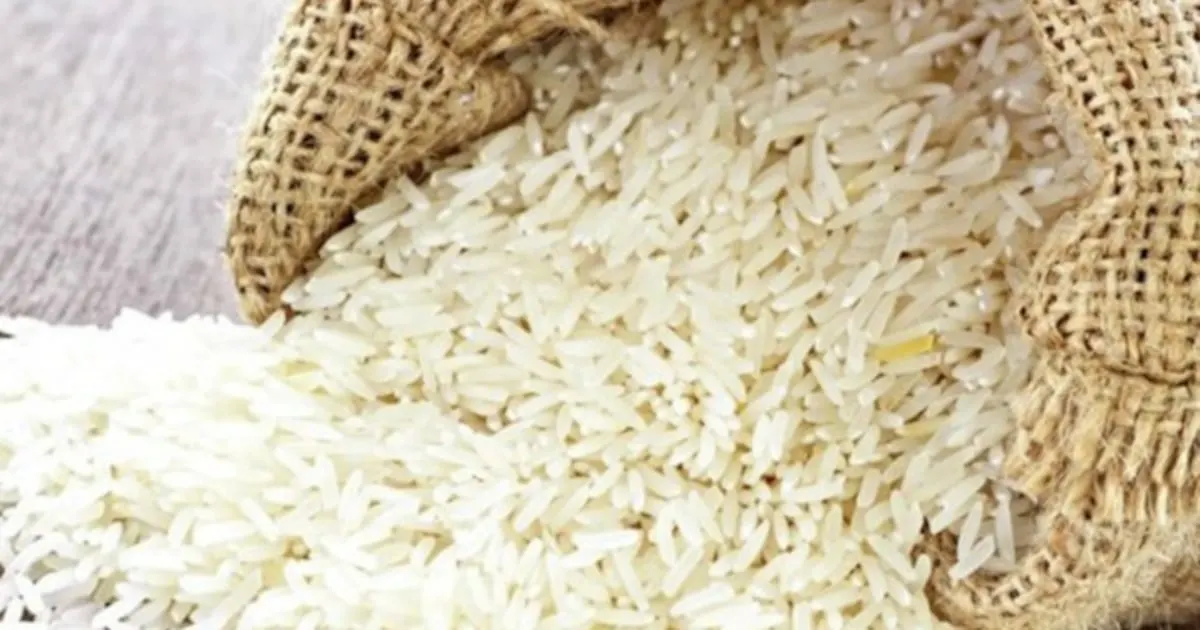
Lockdowns and trade barriers across Asia during COVID-19 have created supply and price volatility for rice. Vietnam imposed a rice export ban in March and Cambodia halted exports except for fragrant rice, though Vietnam later reopened exports and accepted contracts for 400,000 tons.
Export restrictions from major Asian suppliers tighten global rice availability and push prices up, with importers and panic buyers adding to demand pressure.
 foodnavigator.comPearly Neo2020年4月22日
在过去 168 次看涨的政策事件之后,稻谷 在 5 个交易日内中位数变动 +0.8%(57% 上涨;中间一半区间为 -1.7% 至 +2.1%),20 个交易日内为 -0.4%。
各商品基准价相对事件前最后收盘价的变动。历史数据汇总同类过往事件;仅描述已发生的情况,不代表未来走势。不构成投资建议。
Asian export restrictions (Vietnam ban, Cambodia halt) in the weeks before tightened global rice supply and supported a rally in futures, though Vietnam's reopening of exports is a partial offset.
Export bans and restrictions in Vietnam and Cambodia tightened Asian rice supply and fed price volatility, supporting a rally in rough rice.
Asian export restrictions and supply and price volatility from Vietnam and Cambodia tighten global rice trade flows and can support US rough rice futures.
Same-day coverage of Asian export bans and supply/price volatility supports a trade-flow-driven rally in rice prices.
