加载中…
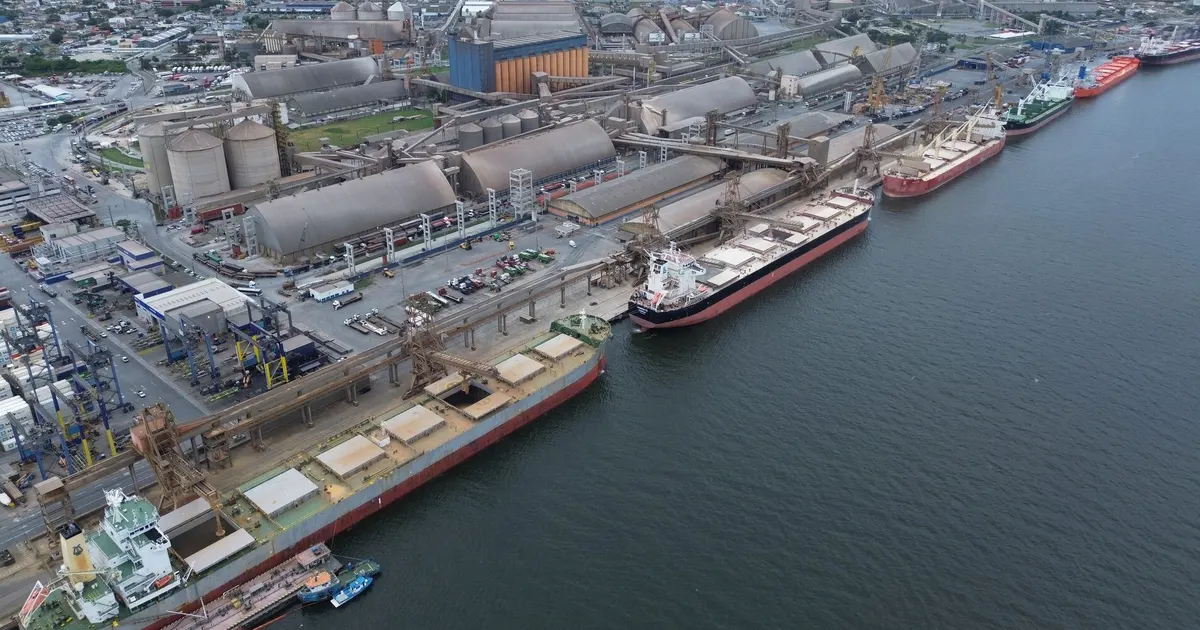
Brazil's economists said that Trump's sweeping US tariffs could prove relatively advantageous for Brazil, which faces a 10% levy on its exports to the US. The Brazilian real strengthened past 5.60 per US dollar, its highest level since October 2024, and the Ibovespa edged up 0.23%.
Analysts said Brazil's lighter tariff burden could shield it from trade risks and attract capital shifting away from the US.
A relatively lighter US tariff on Brazilian exports, compared with rivals, supports Brazilian export competitiveness and capital inflows, which pushes the real stronger and lowers USD/BRL. Stronger exporter demand for Brazilian commodities could also follow if trade flows shift toward Brazil.
 reuters.comMarcela Ayres2025年4月3日
在过去 52 次贸易事件之后,巴西雷亚尔(每 USD 的 BRL) 在 5 个交易日内中位数变动 -0.2%(46% 上涨;中间一半区间为 -1.4% 至 +1.8%),20 个交易日内为 +0.9%。
各商品基准价相对事件前最后收盘价的变动。历史数据汇总同类过往事件;仅描述已发生的情况,不代表未来走势。不构成投资建议。
Brazil's relatively light 10% US tariff and expected capital inflows strengthened the real past 5.60 per USD, consistent with a sharp BRL appreciation (lower BRL per USD) around the move.
Brazil's relatively light 10% US tariff and expected capital rotation away from the US supported BRL strength, though the real had already strengthened past 5.60 by 3 April and the move into 9 April is larger and may include later dynamics.
