加载中…
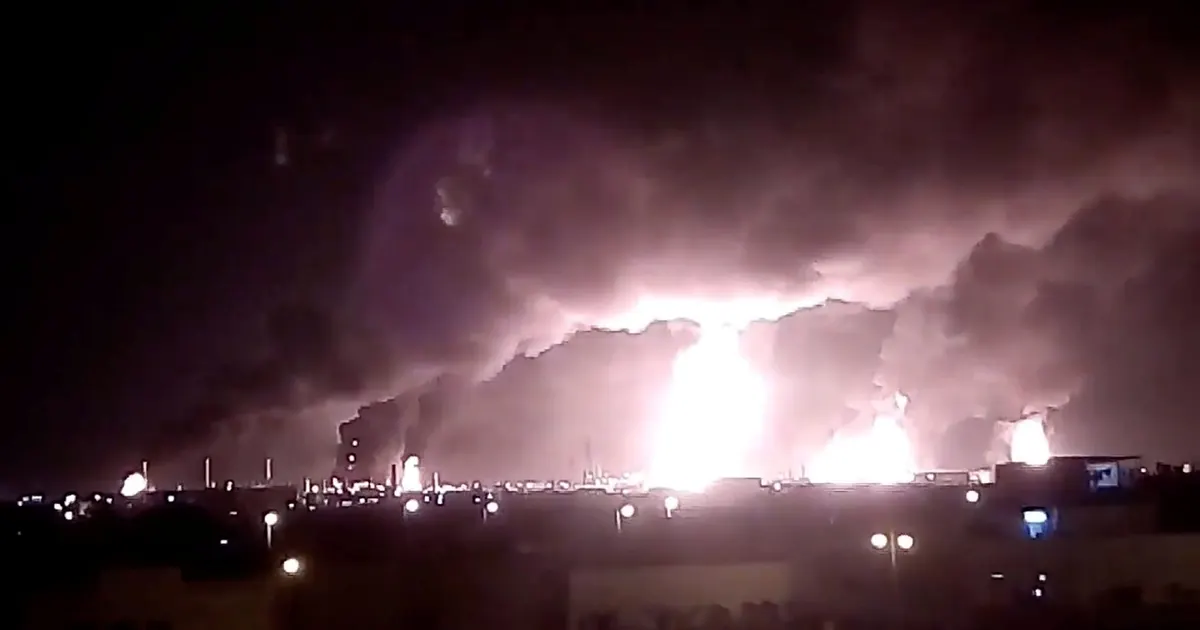
Following the attack on Saudi facilities, OPEC's global spare capacity cushion of about 3.21 million bpd was largely cut, with Saudi Arabia holding 2.27 million bpd of that. The remaining roughly 940,000 bpd is mostly held by Kuwait and the UAE, along with some in Iraq and Angola.
Analysts said those barrels would not be enough to fill the gap.
With little spare capacity left, any further supply disruption could send crude sharply higher, raising diesel, freight and fertilizer input costs. This raises the risk premium across energy-linked feed inputs.
 reuters.com2019年9月16日
在过去 626 次看涨的地缘政治事件之后,原油(WTI) 在 5 个交易日内中位数变动 +2.1%(62% 上涨;中间一半区间为 -2.3% 至 +8.5%),20 个交易日内为 +1.6%。
在过去 656 次看涨的地缘政治事件之后,原油(Brent) 在 5 个交易日内中位数变动 +1.9%(63% 上涨;中间一半区间为 -2.7% 至 +6.6%),20 个交易日内为 +0.7%。
在过去 250 次看涨的地缘政治事件之后,ULSD / 柴油 在 5 个交易日内中位数变动 +1.7%(58% 上涨;中间一半区间为 -3.6% 至 +8.7%),20 个交易日内为 +0.9%。
各商品基准价相对事件前最后收盘价的变动。历史数据汇总同类过往事件;仅描述已发生的情况,不代表未来走势。不构成投资建议。
The loss of OPEC spare capacity left little buffer against the outage, supporting higher prices.
