加载中…
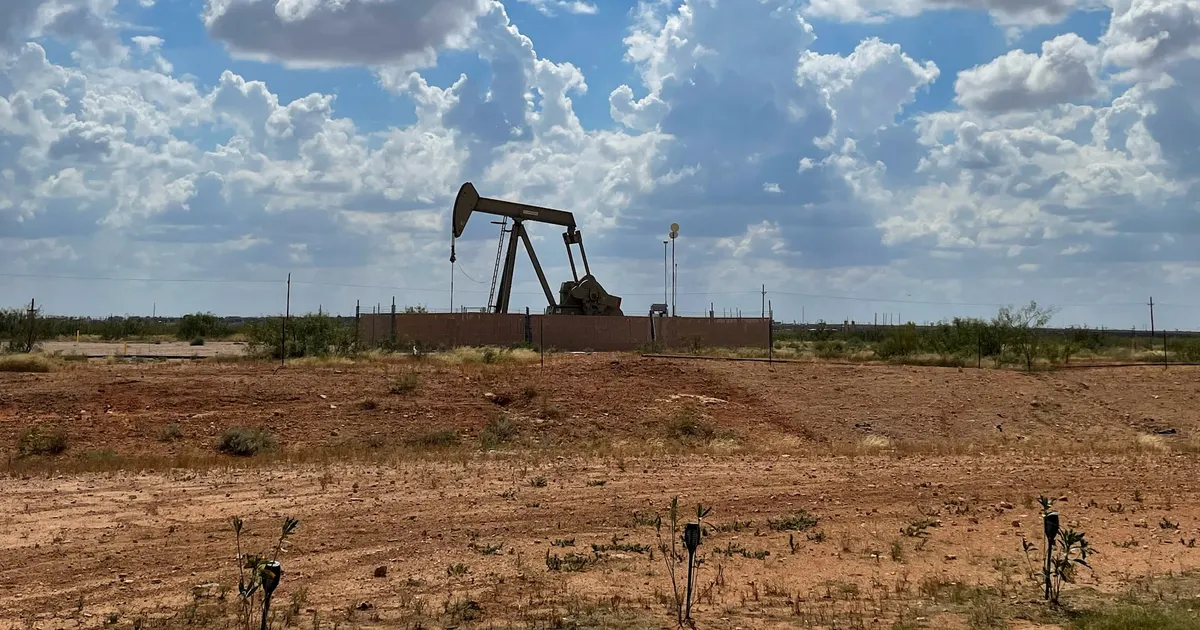
US Gulf crude prices rose to their highest since 2020 as the closure of the Strait of Hormuz forced several countries, including Iraq, to curb output. Flows of medium and heavy sour crude from the Persian Gulf are now largely cut off, and additional production cuts were announced.
Cut-off of medium and heavy sour crude tightens supply of the grades refiners rely on, lifting Gulf crude prices. Higher crude costs raise diesel and fertilizer costs for feed producers and support energy-linked commodity prices.
 reuters.comSiddharth Cavale2026年3月6日
在过去 626 次看涨的地缘政治事件之后,原油(WTI) 在 5 个交易日内中位数变动 +2.1%(62% 上涨;中间一半区间为 -2.3% 至 +8.5%),20 个交易日内为 +1.6%。
在过去 656 次看涨的地缘政治事件之后,原油(Brent) 在 5 个交易日内中位数变动 +1.9%(63% 上涨;中间一半区间为 -2.7% 至 +6.6%),20 个交易日内为 +0.7%。
在过去 250 次看涨的地缘政治事件之后,ULSD / 柴油 在 5 个交易日内中位数变动 +1.7%(58% 上涨;中间一半区间为 -3.6% 至 +8.7%),20 个交易日内为 +0.9%。
各商品基准价相对事件前最后收盘价的变动。历史数据汇总同类过往事件;仅描述已发生的情况,不代表未来走势。不构成投资建议。
Dated March 6, it reports that Hormuz closure forced Iraq and others to cut output and cut off Gulf sour crude flows, tightening supply and lifting crude prices.
Cutoff of Gulf sour crude flows and production cuts by Iraq and others tightened physical supply and lifted prices.
Hormuz closure cutting Iraqi and Gulf sour crude flows tightens physical supply and supports Brent.
Cutoff of Persian Gulf sour crude and Iraqi output curbs lifted US Gulf crude prices to their highest since 2020.
