加载中…
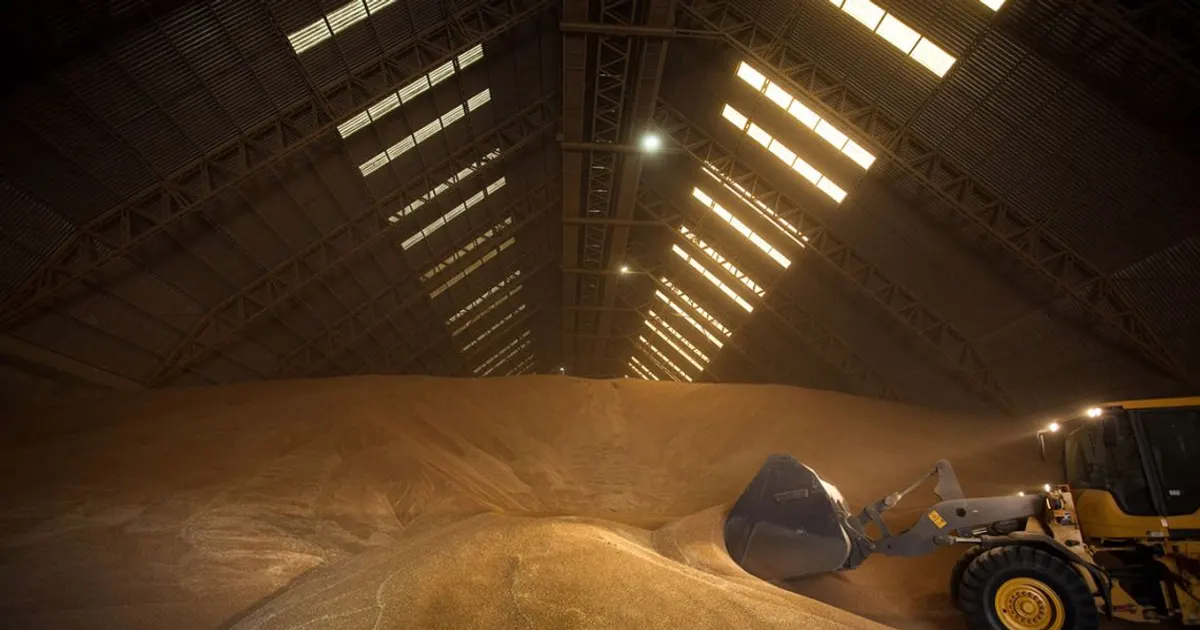
Argentina's biggest soybean meal and oil exporters are dealing with logistical problems as the harvest approaches. A nationwide lockdown and local municipalities restricting movement are complicating crushing and shipping of tens of millions of tonnes of product.
Exporters say grain terminals could be affected.
Disruption to crushing and port operations in Argentina could reduce meal and oil export flows during peak season, supporting soymeal and soyoil prices. The effect depends on whether terminals keep operating normally.
 batimes.com.arJames Grainger2020年3月24日
 bloomberg.comJonathan Gilbert2020年3月23日
在过去 206 次看涨的物流事件之后,大豆 在 5 个交易日内中位数变动 +0.5%(56% 上涨;中间一半区间为 -1.3% 至 +2.6%),20 个交易日内为 +1.4%。
在过去 167 次看涨的物流事件之后,豆粕 在 5 个交易日内中位数变动 +0.5%(54% 上涨;中间一半区间为 -1.8% 至 +2.9%),20 个交易日内为 -1.2%。
在过去 85 次看涨的物流事件之后,豆油 在 5 个交易日内中位数变动 +0.7%(64% 上涨;中间一半区间为 -1.3% 至 +2.7%),20 个交易日内为 +3.1%。
各商品基准价相对事件前最后收盘价的变动。历史数据汇总同类过往事件;仅描述已发生的情况,不代表未来走势。不构成投资建议。
Lockdown logistics problems for Argentina's largest soymeal and oil exporters raised supply disruption concerns, though dated just after the window.
Lockdown-related crushing and shipping problems at Argentina's biggest soy exporters raise the risk of reduced meal and oil exports, which is bullish for US soy.
