加载中…
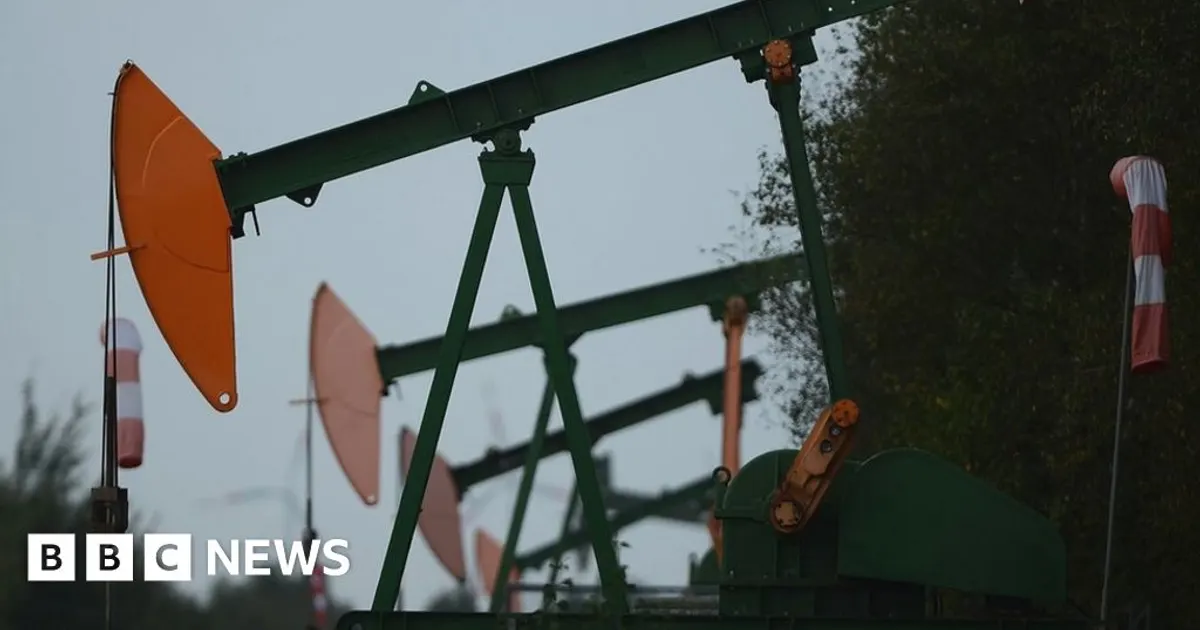
US oil prices turned negative for the first time, with WTI falling as low as minus $37.63 a barrel. Producers paid buyers to take crude as storage capacity was expected to run out, while lockdowns had dried up demand.
The negative price reflects a storage-driven glut from lockdown-driven demand loss, signalling deep downward pressure on crude. Lower energy prices reduce input costs but also weaken biofuel economics that support vegetable oil and grain demand.
 bbc.comAdd as preferred on Google2020年4月20日
在过去 565 次看跌的宏观事件之后,原油(WTI) 在 5 个交易日内中位数变动 -1.4%(41% 上涨;中间一半区间为 -5.9% 至 +3.0%),20 个交易日内为 -0.5%。
在过去 312 次看跌的宏观事件之后,原油(Brent) 在 5 个交易日内中位数变动 -1.7%(38% 上涨;中间一半区间为 -5.4% 至 +2.3%),20 个交易日内为 -1.7%。
各商品基准价相对事件前最后收盘价的变动。历史数据汇总同类过往事件;仅描述已发生的情况,不代表未来走势。不构成投资建议。
WTI turning negative on 20 April signaled storage exhaustion and demand collapse, spilling over into Brent via sentiment and a rush out of futures.
WTI going negative on Apr 20 triggered contagion and panic into Brent, with the storage shortage signaling the same glut risk globally.
