加载中…
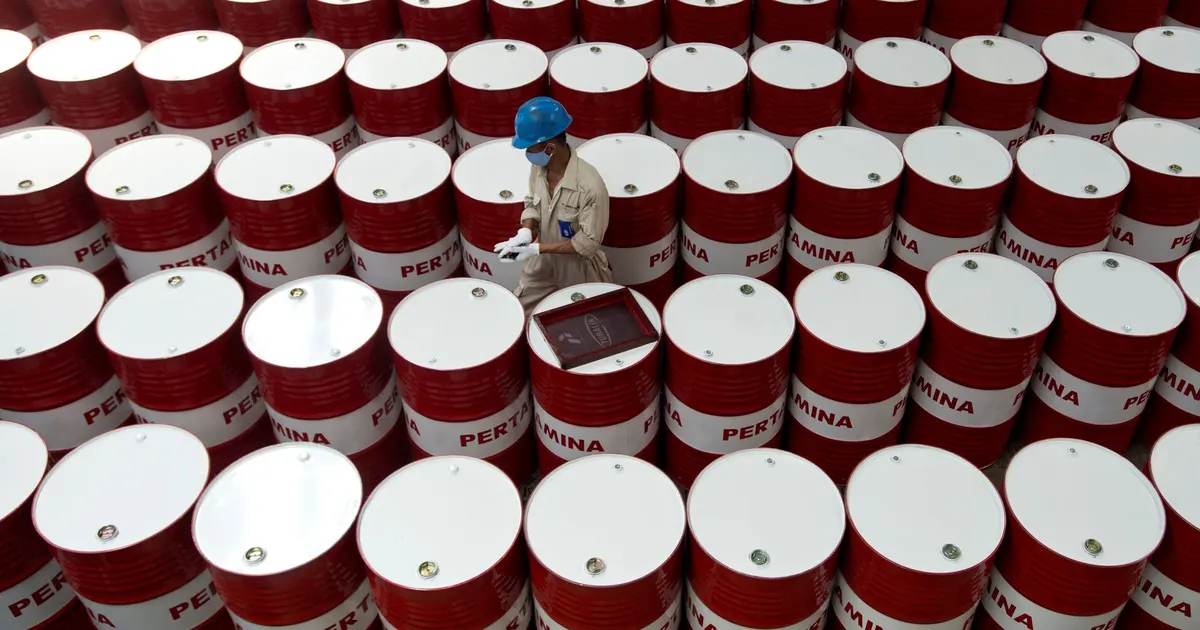
Oil prices rose above $110 a barrel in the week, reaching their highest since 2014, as Western sanctions tightened on Moscow over its invasion of Ukraine. The sanctions disrupted oil sales from Russia, the world's second-largest oil exporter.
OPEC+ decided to stick to its planned output increases.
Lost Russian barrels tighten global crude supply, pushing energy costs higher and raising grain and feed production costs through fuel, fertilizer and freight channels.
 reuters.comMaha El Dahan2022年3月2日
在过去 656 次看涨的地缘政治事件之后,原油(Brent) 在 5 个交易日内中位数变动 +1.9%(63% 上涨;中间一半区间为 -2.7% 至 +6.6%),20 个交易日内为 +0.7%。
在过去 626 次看涨的地缘政治事件之后,原油(WTI) 在 5 个交易日内中位数变动 +2.1%(62% 上涨;中间一半区间为 -2.3% 至 +8.5%),20 个交易日内为 +1.6%。
各商品基准价相对事件前最后收盘价的变动。历史数据汇总同类过往事件;仅描述已发生的情况,不代表未来走势。不构成投资建议。
OPEC+ stuck to planned output increases despite the sanctions, so no extra supply offset Russian disruption.
