加载中…
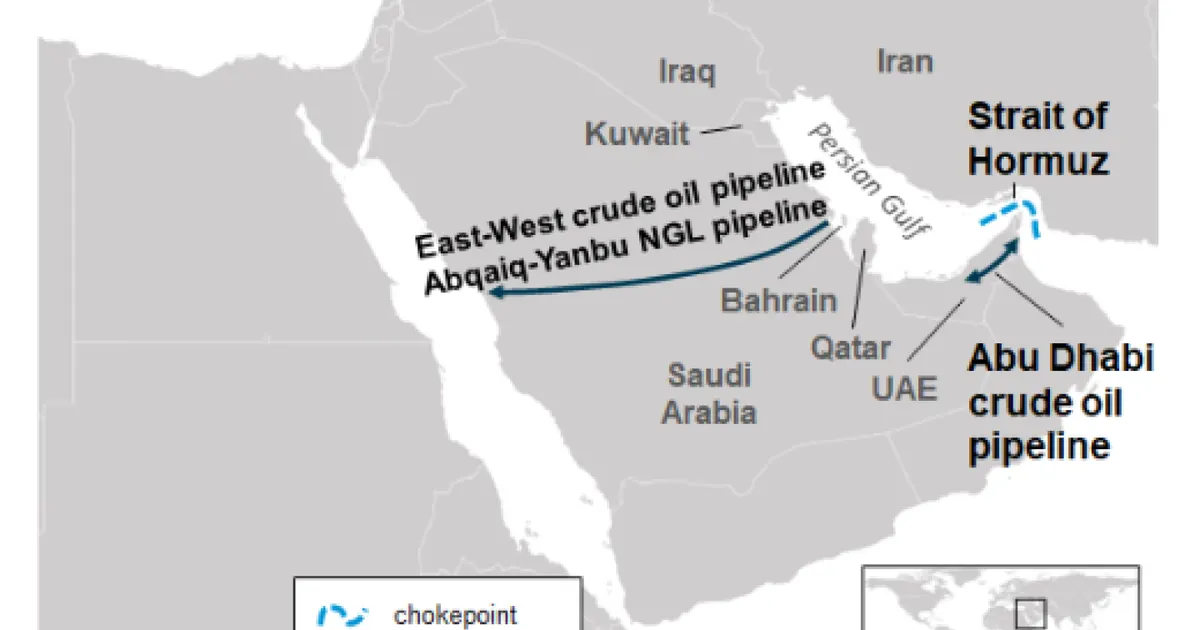
Crude oil jumped as much as 12% after the joint US-Israel attack on Iran, then trimmed gains as ship traffic through the Strait of Hormuz nearly halted. Hard red winter wheat and soybean oil held gains while corn and soybeans slipped.
Higher crude lifts biofuel demand expectations for soybean oil and raises fertilizer and freight costs, while Hormuz disruption threatens fertilizer supply. Feed buyers face higher input costs through energy and fertilizer channels.
 profarmer.comBill Watts2026年2月28日
在过去 626 次看涨的地缘政治事件之后,原油(WTI) 在 5 个交易日内中位数变动 +2.1%(62% 上涨;中间一半区间为 -2.3% 至 +8.5%),20 个交易日内为 +1.6%。
在过去 205 次看涨的地缘政治事件之后,尿素 在 5 个交易日内中位数变动 +0.4%(53% 上涨;中间一半区间为 -2.1% 至 +3.0%),20 个交易日内为 -0.4%。
在过去 110 次看涨的地缘政治事件之后,豆油 在 5 个交易日内中位数变动 +1.8%(65% 上涨;中间一半区间为 -0.7% 至 +3.6%),20 个交易日内为 -0.4%。
在过去 656 次看涨的地缘政治事件之后,原油(Brent) 在 5 个交易日内中位数变动 +1.9%(63% 上涨;中间一半区间为 -2.7% 至 +6.6%),20 个交易日内为 +0.7%。
各商品基准价相对事件前最后收盘价的变动。历史数据汇总同类过往事件;仅描述已发生的情况,不代表未来走势。不构成投资建议。
