加载中…
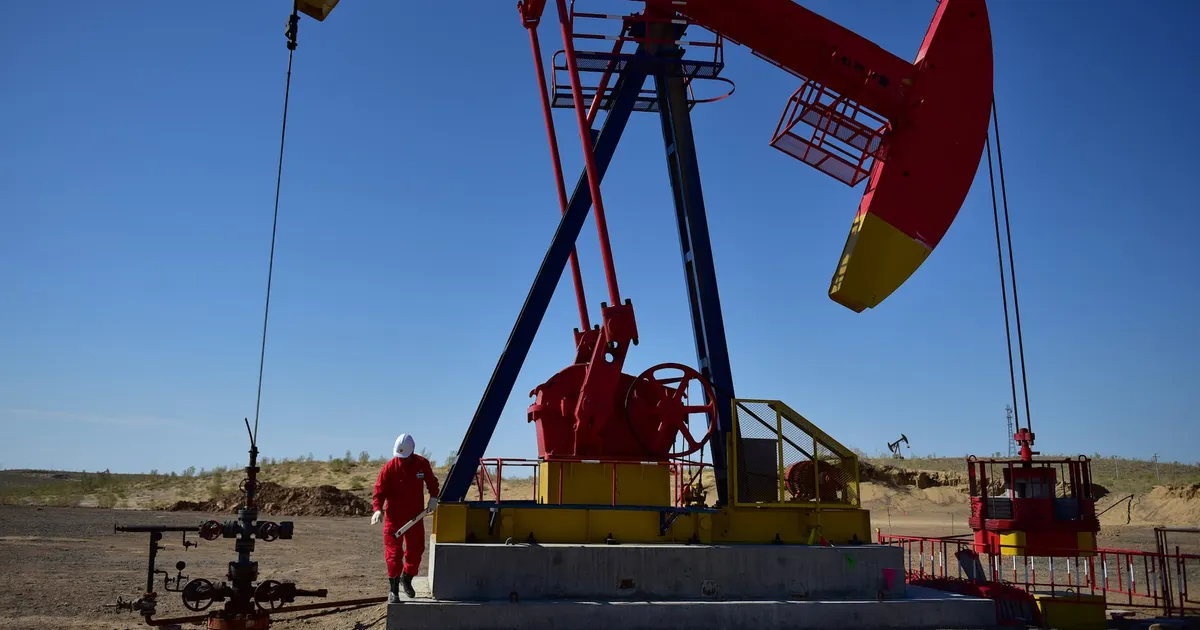
Brent and WTI crude settled at their lowest levels since before Russia's February invasion of Ukraine as traders feared a recession would cut energy demand. The Bank of England raised rates and warned of a prolonged downturn, while Saudi Arabia and the UAE held back spare output for a possible winter supply crunch.
Recession fears weigh on expected fuel demand, pressuring crude and, through energy costs, the broader commodity complex that feed buyers pay for. Tight physical supply limits the downside.
 reuters.comNoah Browning2022年8月4日
在过去 312 次看跌的宏观事件之后,原油(Brent) 在 5 个交易日内中位数变动 -1.7%(38% 上涨;中间一半区间为 -5.4% 至 +2.3%),20 个交易日内为 -1.7%。
在过去 565 次看跌的宏观事件之后,原油(WTI) 在 5 个交易日内中位数变动 -1.4%(41% 上涨;中间一半区间为 -5.9% 至 +3.0%),20 个交易日内为 -0.5%。
各商品基准价相对事件前最后收盘价的变动。历史数据汇总同类过往事件;仅描述已发生的情况,不代表未来走势。不构成投资建议。
Brent settled at its lowest since before the Ukraine invasion on recession fears and a BoE rate hike with a warning of prolonged downturn, which cut expected energy demand and drove the bulk of the weekly decline.
