加载中…
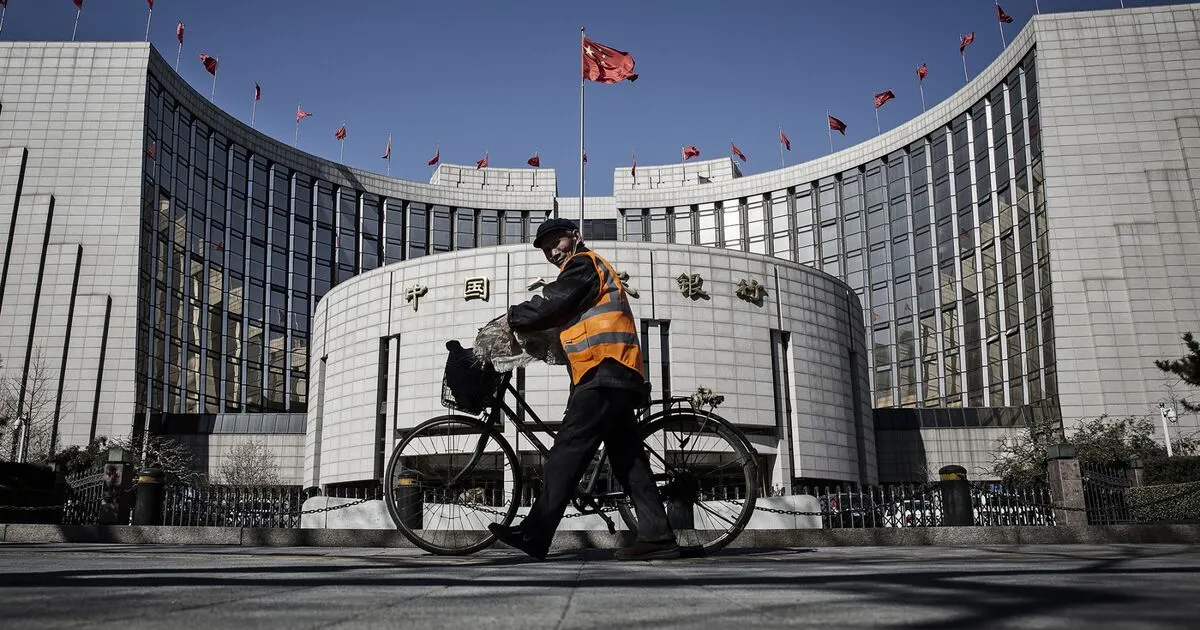
According to Goldman Sachs, China's central bank changed its yuan fixing mechanism after the US presidential election to support a stronger currency. The move was made as capital outflows grew and President-elect Trump threatened protectionist trade policies.
A deliberate change in fixing practice signals state intervention to stabilize the yuan, which reduces the odds of a sharp devaluation that would hit Chinese import demand. Trade-policy threats also keep US-China export flows uncertain.
 bloomberg.comYe Xie2017年1月9日
在过去 50 次看跌的政策事件之后,人民币(每 USD 的 CNY) 在 5 个交易日内中位数变动 -0.1%(46% 上涨;中间一半区间为 -0.4% 至 +0.4%),20 个交易日内为 -0.0%。
各商品基准价相对事件前最后收盘价的变动。历史数据汇总同类过往事件;仅描述已发生的情况,不代表未来走势。不构成投资建议。
Goldman noted the PBOC fixing mechanism was geared toward a stronger currency, a policy signal that anchored yuan strength.
