Đang tải…
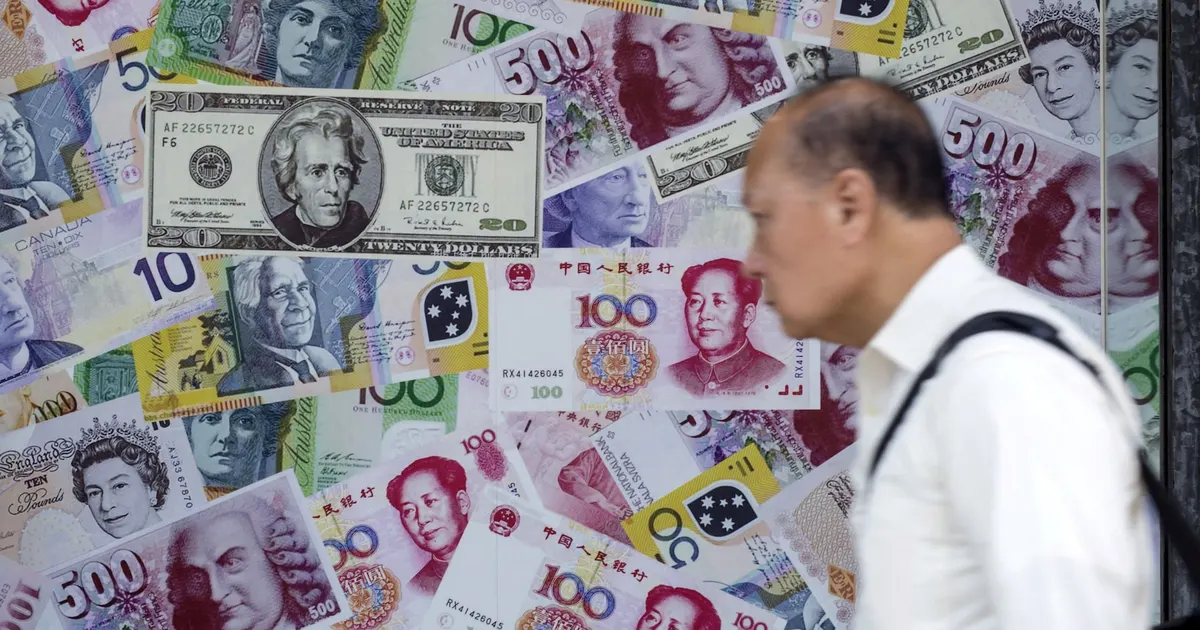
Analysts said U.S. tariffs under President Trump have undermined confidence in the dollar and disrupted the flow of trade dollars into U.S. assets. Asian currencies have rallied sharply against the dollar as a result.
Tariffs reduce Chinese exporters' access to U.S. customers, which weakens their dollar receipts and can cut into demand for U.S. farm goods. A weaker dollar generally supports US commodity export prices.
 reuters.comRae Wee, Samuel Shen6 thg 5, 2025
Sau 39 sự kiện thương mại giảm giá trước đây, Đô la Mỹ (diện rộng) biến động trung vị -0,4% trong 5 phiên (tăng 26%; nửa giữa từ -1,1% đến +0,0%), và -0,8% trong 20 phiên.
Sau 22 sự kiện thương mại giảm giá trước đây, Nhân dân tệ (CNY trên USD) biến động trung vị -0,1% trong 5 phiên (tăng 41%; nửa giữa từ -0,7% đến +0,3%), và -0,3% trong 20 phiên.
Biến động benchmark của từng hàng hóa so với giá đóng cửa trước sự kiện. Số liệu lịch sử gộp các sự kiện cùng loại trong quá khứ; chúng mô tả điều đã xảy ra, không phải điều sẽ xảy ra. Không phải tư vấn đầu tư.
Tariff-driven loss of confidence in the dollar and a broad Asian FX rally explain the dollar-weakness backdrop behind the yuan's gain.
