Đang tải…
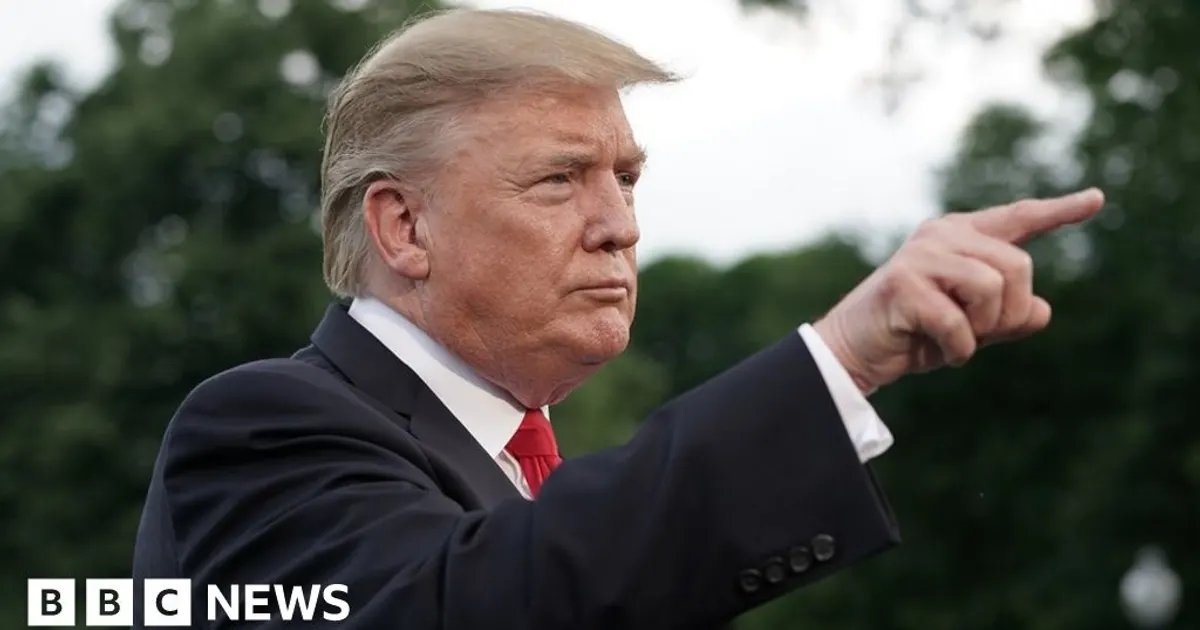
President Trump announced a fresh 10% tariff on another $300 billion of Chinese goods, effective September 1, after bilateral talks made little progress. He accused China of not honoring commitments to buy more U.S. agricultural products.
Chinese Foreign Minister Wang Yi criticized the move, and markets fell sharply in response.
Tariffs on the broad range of Chinese imports and the complaint about unmet farm purchases point to reduced U.S. agricultural export demand to China. That is bearish for soybeans and other U.S. feed grains.
 agronews.com.plMałgorzata Kulma5 thg 8, 2019
 bbc.comAdd as preferred on Google1 thg 8, 2019
 cnbc.comReuters1 thg 8, 2019
 nutraingredients.comHank Schultz2 thg 8, 2019
Sau 683 sự kiện thương mại giảm giá trước đây, Ngô biến động trung vị -0,2% trong 5 phiên (tăng 47%; nửa giữa từ -1,7% đến +1,6%), và +0,3% trong 20 phiên.
Sau 803 sự kiện thương mại giảm giá trước đây, Đậu tương biến động trung vị +0,0% trong 5 phiên (tăng 51%; nửa giữa từ -1,7% đến +1,7%), và +0,9% trong 20 phiên.
Chưa đủ sự kiện tương tự trong quá khứ để đọc xu hướng lịch sử.
Sau 80 sự kiện thương mại giảm giá trước đây, Dầu thô (WTI) biến động trung vị -2,2% trong 5 phiên (tăng 30%; nửa giữa từ -6,9% đến +0,8%), và -1,5% trong 20 phiên.
Biến động benchmark của từng hàng hóa so với giá đóng cửa trước sự kiện. Số liệu lịch sử gộp các sự kiện cùng loại trong quá khứ; chúng mô tả điều đã xảy ra, không phải điều sẽ xảy ra. Không phải tư vấn đầu tư.
The new 10% tariff on $300B of Chinese goods triggered the trade escalation and recession fears that hit crude demand expectations.
The Aug 1 tariff escalation and accusation that China wasn't buying US farm goods raised fears of lost export demand, setting up the sell-off that carried into Aug 5.
