Đang tải…
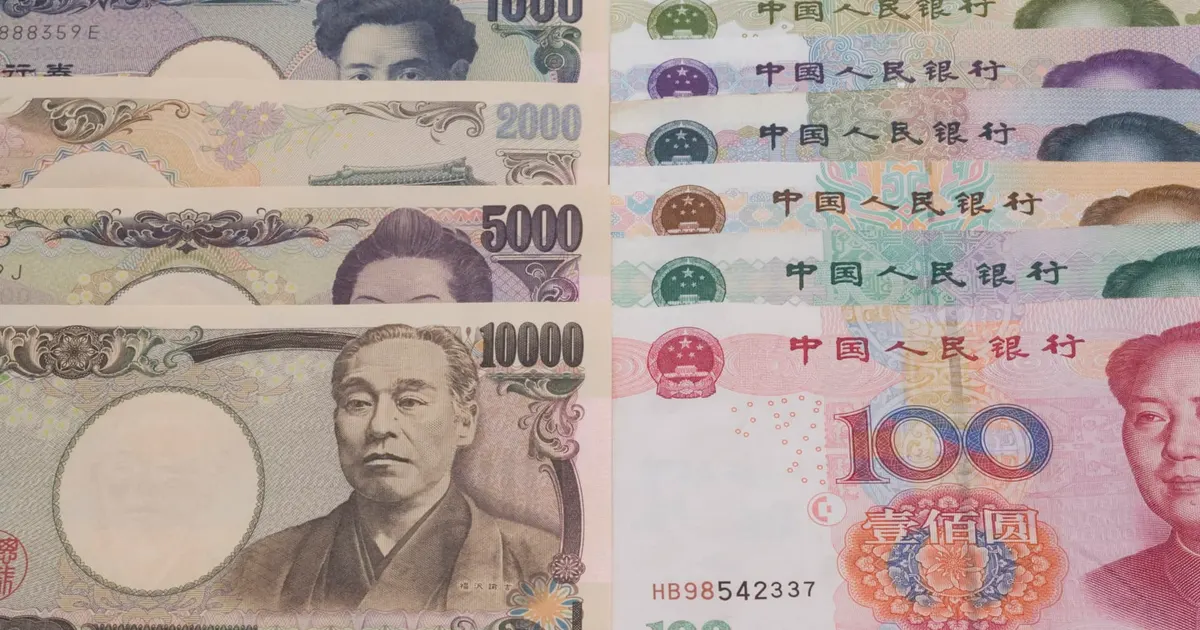
The yuan fell to 6.92 per dollar, its weakest since December, as China announced higher tariffs on $60 billion of US goods after the US raised tariffs on $200 billion of Chinese products. Concerns grew that China might sell its Treasury holdings as leverage.
Retaliatory tariffs on US goods threaten US farm export demand, particularly soybeans, and a weaker yuan makes US agricultural imports more expensive for Chinese buyers, pressuring US feed grain and soybean prices.
 cnbc.comReuters13 thg 5, 2019
Sau 803 sự kiện thương mại giảm giá trước đây, Đậu tương biến động trung vị +0,0% trong 5 phiên (tăng 51%; nửa giữa từ -1,7% đến +1,7%), và +0,9% trong 20 phiên.
Sau 683 sự kiện thương mại giảm giá trước đây, Ngô biến động trung vị -0,2% trong 5 phiên (tăng 47%; nửa giữa từ -1,7% đến +1,6%), và +0,3% trong 20 phiên.
Sau 40 sự kiện thương mại tăng giá trước đây, Nhân dân tệ (CNY trên USD) biến động trung vị +0,6% trong 5 phiên (tăng 75%; nửa giữa từ +0,0% đến +1,4%), và +1,1% trong 20 phiên.
Biến động benchmark của từng hàng hóa so với giá đóng cửa trước sự kiện. Số liệu lịch sử gộp các sự kiện cùng loại trong quá khứ; chúng mô tả điều đã xảy ra, không phải điều sẽ xảy ra. Không phải tư vấn đầu tư.
On 2019-05-13 the yuan fell to about 6.92 per dollar, its weakest since December, after China announced retaliatory tariffs on $60B of US goods, which directly explains the 0.80% one-day move.
China's tariff hike on $60B of US goods on May 13 is the main trade shock hitting soybean demand expectations.
