Đang tải…
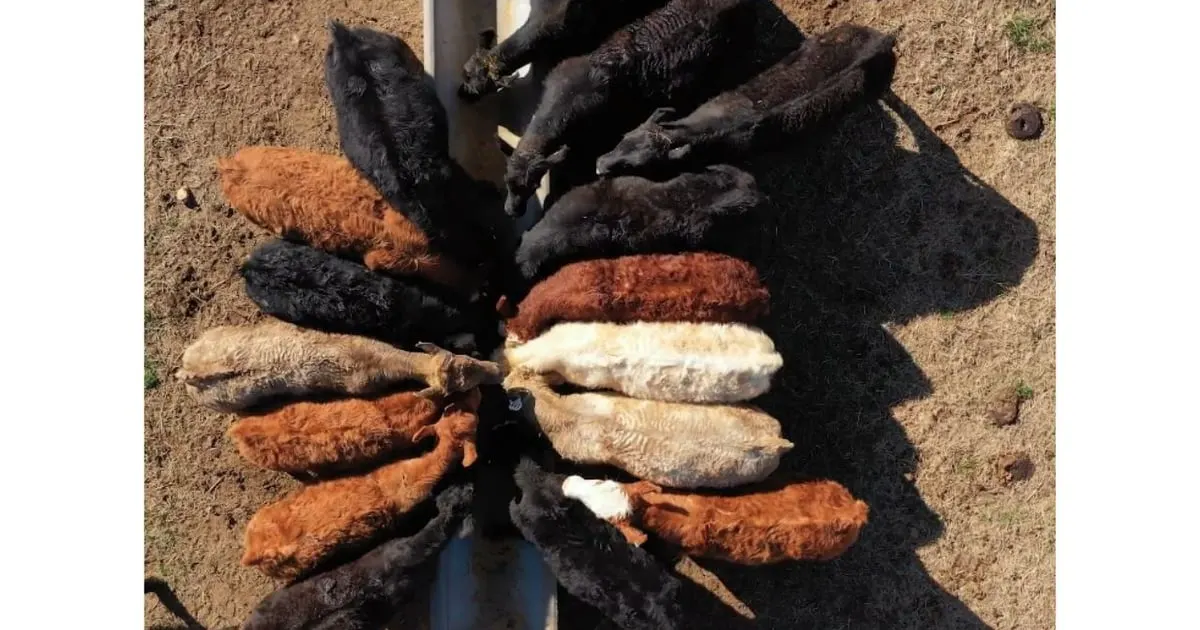
Live cattle futures fell after the Trump administration proposed expanding the tariff rate quota on Argentinian beef from 20,000 to 80,000 metric tons, and talks surfaced of easing feeder cattle import restrictions from Mexico. The USDA projected US beef imports at 5.4 billion pounds, about 18 percent of consumption.
Expanded import access and possible reopening of Mexican feeder cattle imports add supply expectations that pressure cattle futures, even though the Argentine volume is small relative to the US market.
 beefmagazine.comUniversity of Arkansas3 thg 11, 2025
Sau 121 sự kiện thương mại giảm giá trước đây, Bò thịt hơi biến động trung vị -0,6% trong 5 phiên (tăng 40%; nửa giữa từ -1,6% đến +0,8%), và -0,3% trong 20 phiên.
Sau 87 sự kiện thương mại giảm giá trước đây, Bò giống (feeder) biến động trung vị +0,4% trong 5 phiên (tăng 54%; nửa giữa từ -3,2% đến +1,9%), và +1,1% trong 20 phiên.
Biến động benchmark của từng hàng hóa so với giá đóng cửa trước sự kiện. Số liệu lịch sử gộp các sự kiện cùng loại trong quá khứ; chúng mô tả điều đã xảy ra, không phải điều sẽ xảy ra. Không phải tư vấn đầu tư.
Dated 2025-11-03, it describes the proposed Argentine beef TRQ expansion and talk of easing Mexican feeder imports, which raise supply expectations and sentiment pressure on live cattle.
Proposed Argentine tariff-rate quota expansion and Mexican feeder import easing raised expected supply, weighing on futures around Nov 3.
The proposed Argentine tariff-rate quota expansion and Mexican feeder import easing talk pressured cattle futures during the window.
