Đang tải…
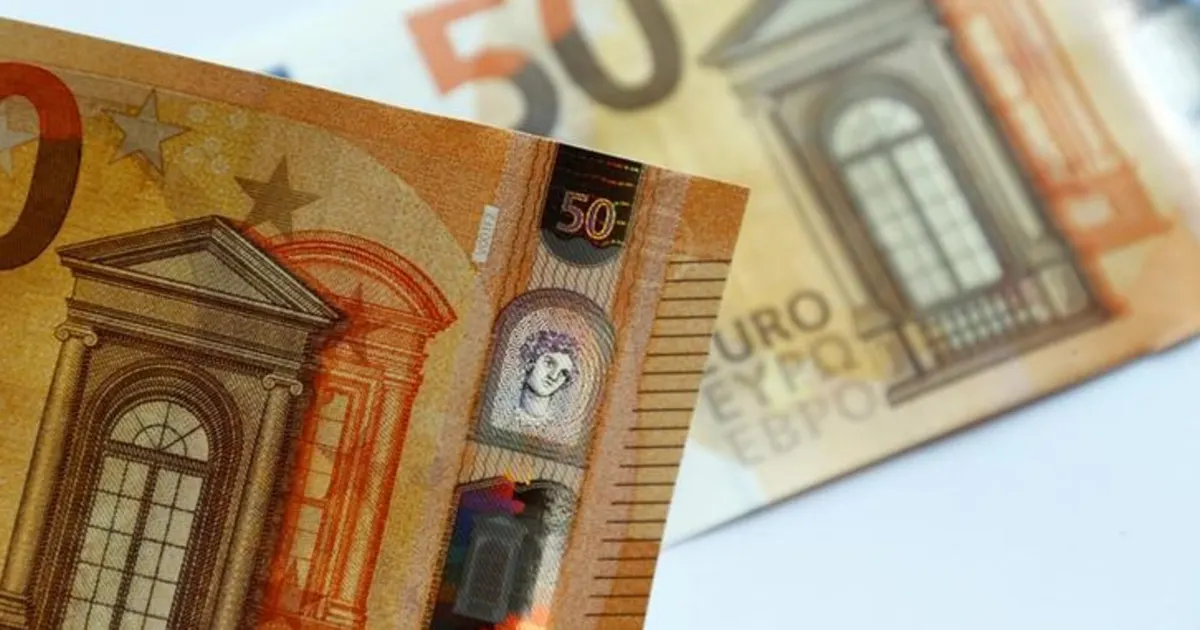
The euro has weakened largely because of diverging monetary policy between the U.S. Federal Reserve, which is raising rates, and the ECB, which is injecting hundreds of billions of euros through quantitative easing. The ECB's ultra-loose policy aims to ward off deflation, shore up banks and reflate the economy.
The weaker currency benefits euro zone exporters.
A weaker euro against the dollar makes euro zone exports more competitive and tends to lower dollar-denominated prices for imported goods, which can weigh on dollar-based feed commodity demand from Europe. Continued dollar strength would pressure U.S. commodity prices in dollar terms.
 reuters.comJamie McGeever3 thg 2, 2017
Sau 533 sự kiện vĩ mô giảm giá trước đây, Euro (USD trên EUR) biến động trung vị -0,3% trong 5 phiên (tăng 33%; nửa giữa từ -1,2% đến +0,2%), và -0,5% trong 20 phiên.
Sau 2.356 sự kiện vĩ mô tăng giá trước đây, Đô la Mỹ (diện rộng) biến động trung vị +0,2% trong 5 phiên (tăng 60%; nửa giữa từ -0,3% đến +0,7%), và +0,4% trong 20 phiên.
Biến động benchmark của từng hàng hóa so với giá đóng cửa trước sự kiện. Số liệu lịch sử gộp các sự kiện cùng loại trong quá khứ; chúng mô tả điều đã xảy ra, không phải điều sẽ xảy ra. Không phải tư vấn đầu tư.
