Đang tải…
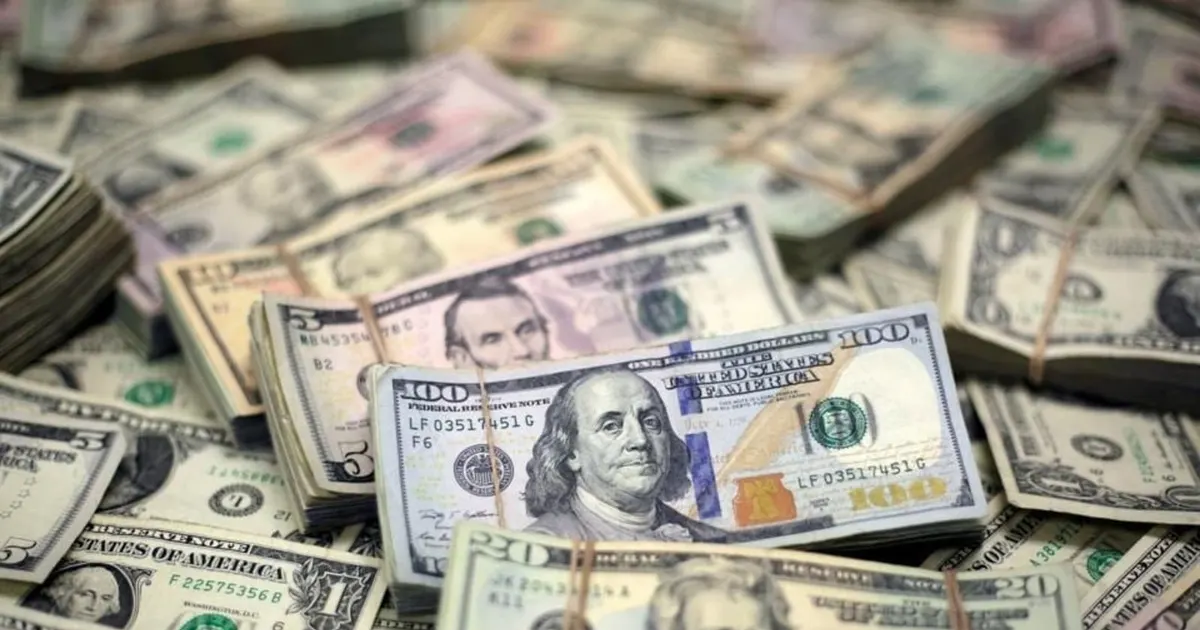
The Bloomberg Dollar Index rose as much as 1.4% on Thursday, its largest intraday gain in nearly two years, as Russia's invasion of Ukraine drove haven demand. The euro fell as much as 1.8% to 1.1106, and Scandinavian currencies declined at least 1%.
A sharp dollar rally raises dollar-denominated feed import costs for buyers outside the US and can weigh on US export prices. The effect is a currency-driven shift rather than a physical supply change.
 hindustantimes.comBloomberg24 thg 2, 2022
Sau 89 sự kiện địa chính trị tăng giá trước đây, Đô la Mỹ (diện rộng) biến động trung vị +0,5% trong 5 phiên (tăng 74%; nửa giữa từ -0,0% đến +1,0%), và +0,3% trong 20 phiên.
Sau 36 sự kiện địa chính trị giảm giá trước đây, Euro (USD trên EUR) biến động trung vị -1,0% trong 5 phiên (tăng 22%; nửa giữa từ -1,8% đến -0,3%), và -0,7% trong 20 phiên.
Biến động benchmark của từng hàng hóa so với giá đóng cửa trước sự kiện. Số liệu lịch sử gộp các sự kiện cùng loại trong quá khứ; chúng mô tả điều đã xảy ra, không phải điều sẽ xảy ra. Không phải tư vấn đầu tư.
Reports broad G-10 currency weakness and a 1.4% Bloomberg Dollar Index rise on haven demand, with the euro down sharply on 24 Feb.
Same-day report of the Bloomberg Dollar Index's largest rally since 2020 (up to 1.4%) with G-10 and Scandinavian currencies falling on haven demand.
Report of the Bloomberg Dollar Index's 1.4% jump and the euro's 1.8% drop to 1.1106 on safe-haven flows after the invasion directly explains the sharp euro move.
