Đang tải…
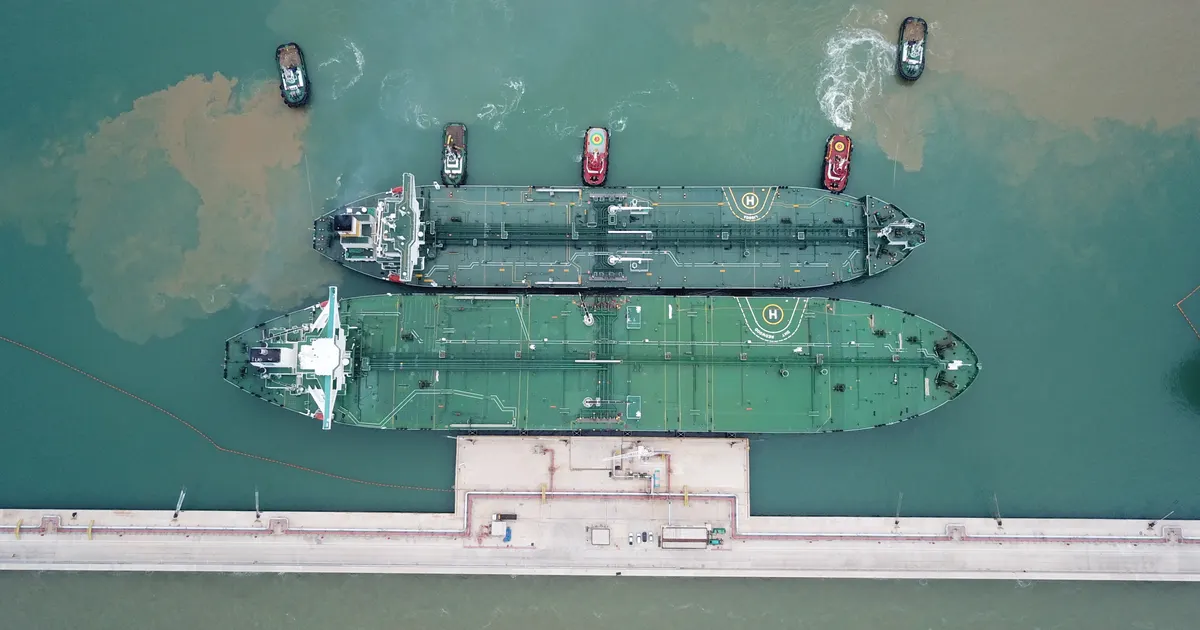
Oil prices surged more than 12% after China instructed government agencies to start buying cheap crude for its strategic reserves. The purchases came after oil had plunged 66% in the first three months of 2020 amid collapsing demand from the coronavirus.
Dated Brent was assessed at $15.135 a barrel, its lowest level since at least 1999.
Chinese state stockpiling absorbs surplus crude and supports energy prices, which feed through to diesel and freight costs for feed producers. Higher crude also tends to lift biofuel-linked demand for vegetable oils and grains.
 worldoil.comSharon Cho2 thg 4, 2020
Sau 438 sự kiện chính sách tăng giá trước đây, Dầu thô (WTI) biến động trung vị +0,9% trong 5 phiên (tăng 61%; nửa giữa từ -2,2% đến +4,6%), và +2,0% trong 20 phiên.
Sau 442 sự kiện chính sách tăng giá trước đây, Dầu thô (Brent) biến động trung vị +1,4% trong 5 phiên (tăng 60%; nửa giữa từ -2,0% đến +4,9%), và +2,1% trong 20 phiên.
Biến động benchmark của từng hàng hóa so với giá đóng cửa trước sự kiện. Số liệu lịch sử gộp các sự kiện cùng loại trong quá khứ; chúng mô tả điều đã xảy ra, không phải điều sẽ xảy ra. Không phải tư vấn đầu tư.
China's instruction to buy cheap crude for strategic reserves added demand-side support and rebound momentum from very depressed levels (Dated Brent at lows).
China's strategic reserve buying added demand support and extended the rebound from extremely depressed prices.
China's strategic reserve buying added demand-side support to the rebound from record lows.
China's instruction to buy cheap crude for strategic reserves added demand-side support to the rebound from deeply oversold levels.
China's strategic reserve buying added demand support and rebound from extreme lows (Dated Brent $15), contributing to the bounce.
