Đang tải…
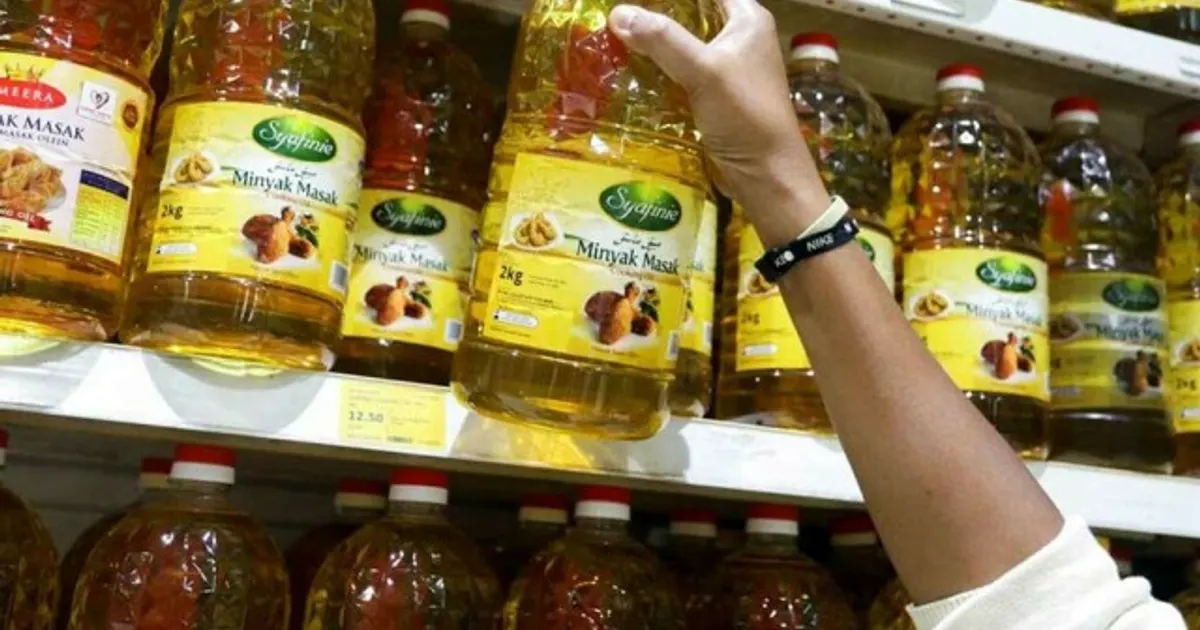
Malaysian palm oil futures fell 4.2% to 4,703 ringgit a tonne on recession fears that hit edible oils, after an intraday drop of about 7%. Malaysia's June exports fell between 7.4% and 13.4% from May as shipments to India and the EU slowed.
Palm later recovered some losses when crude oil rose on supply outages in Libya and Norway.
Recession fears reduce demand for edible oils and biodiesel, while weaker Malaysian exports add to the supply overhang. Stronger crude oil could support palm by making it more competitive as biodiesel feedstock.
 brecorder.comReuters1 thg 7, 2022
Sau 51 sự kiện vĩ mô giảm giá trước đây, Dầu cọ biến động trung vị -1,3% trong 5 phiên (tăng 35%; nửa giữa từ -4,1% đến +1,1%), và -1,8% trong 20 phiên.
Sau 40 sự kiện vĩ mô giảm giá trước đây, Dầu đậu tương biến động trung vị -0,8% trong 5 phiên (tăng 45%; nửa giữa từ -4,5% đến +1,7%), và -1,5% trong 20 phiên.
Sau 487 sự kiện vĩ mô tăng giá trước đây, Dầu thô (WTI) biến động trung vị +1,0% trong 5 phiên (tăng 60%; nửa giữa từ -2,0% đến +4,0%), và +1,5% trong 20 phiên.
Biến động benchmark của từng hàng hóa so với giá đóng cửa trước sự kiện. Số liệu lịch sử gộp các sự kiện cùng loại trong quá khứ; chúng mô tả điều đã xảy ra, không phải điều sẽ xảy ra. Không phải tư vấn đầu tư.
4% drop on July 1 on recession fears and a higher supply outlook, with weaker June exports to India and the EU.
Recession fears hit edible oils with an intraday drop of ~7%, alongside weaker June Malaysian exports and a higher supply outlook, matching the window's sharp selloff.
July 1 recession fears and a higher supply outlook hit edible oils, setting up the weak sentiment that carried into the July 4 soyoil drop.
Recession fears and weaker June Malaysian exports hit edible oils just before the move, adding demand-side and sentiment pressure.
