Đang tải…
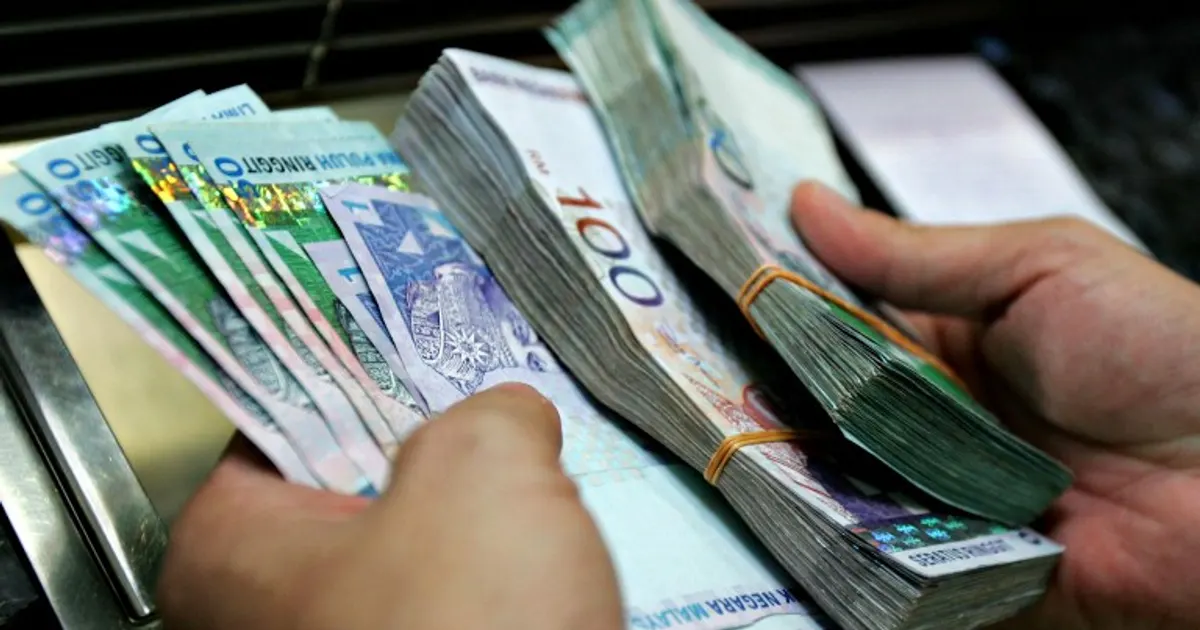
The ringgit had a mixed 2018, starting the year strong after climbing from a historic low, then weakening sharply in the second quarter. Analysts attribute the swings mainly to external drivers such as trade tensions, emerging market stress, Fed hike expectations, crude oil moves and US dollar strength.
A weaker ringgit lowers the cost of Malaysian palm oil in dollar terms for buyers, which can support palm-based feed ingredients, while currency swings feed into landed feed costs.
 malaymail.com31 thg 12, 2018
Chưa đủ sự kiện tương tự trong quá khứ để đọc xu hướng lịch sử.
Sau 86 sự kiện vĩ mô trung lập trước đây, Dầu cọ biến động trung vị +0,3% trong 5 phiên (tăng 56%; nửa giữa từ -1,6% đến +2,0%), và +1,0% trong 20 phiên.
Biến động benchmark của từng hàng hóa so với giá đóng cửa trước sự kiện. Số liệu lịch sử gộp các sự kiện cùng loại trong quá khứ; chúng mô tả điều đã xảy ra, không phải điều sẽ xảy ra. Không phải tư vấn đầu tư.
