Đang tải…
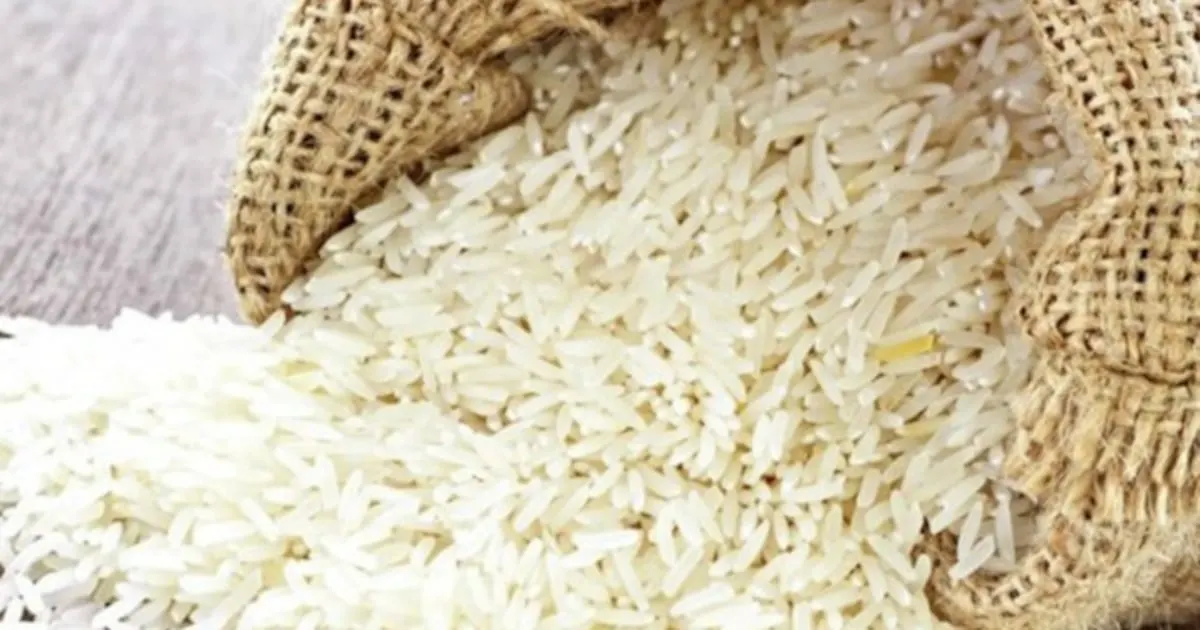
Lockdowns and trade barriers across Asia during COVID-19 have created supply and price volatility for rice. Vietnam imposed a rice export ban in March and Cambodia halted exports except for fragrant rice, though Vietnam later reopened exports and accepted contracts for 400,000 tons.
Export restrictions from major Asian suppliers tighten global rice availability and push prices up, with importers and panic buyers adding to demand pressure.
 foodnavigator.comPearly Neo22 thg 4, 2020
Sau 168 sự kiện chính sách tăng giá trước đây, Lúa biến động trung vị +0,8% trong 5 phiên (tăng 57%; nửa giữa từ -1,7% đến +2,1%), và -0,4% trong 20 phiên.
Biến động benchmark của từng hàng hóa so với giá đóng cửa trước sự kiện. Số liệu lịch sử gộp các sự kiện cùng loại trong quá khứ; chúng mô tả điều đã xảy ra, không phải điều sẽ xảy ra. Không phải tư vấn đầu tư.
Asian export restrictions (Vietnam ban, Cambodia halt) in the weeks before tightened global rice supply and supported a rally in futures, though Vietnam's reopening of exports is a partial offset.
Export bans and restrictions in Vietnam and Cambodia tightened Asian rice supply and fed price volatility, supporting a rally in rough rice.
Asian export restrictions and supply and price volatility from Vietnam and Cambodia tighten global rice trade flows and can support US rough rice futures.
Same-day coverage of Asian export bans and supply/price volatility supports a trade-flow-driven rally in rice prices.
