Đang tải…
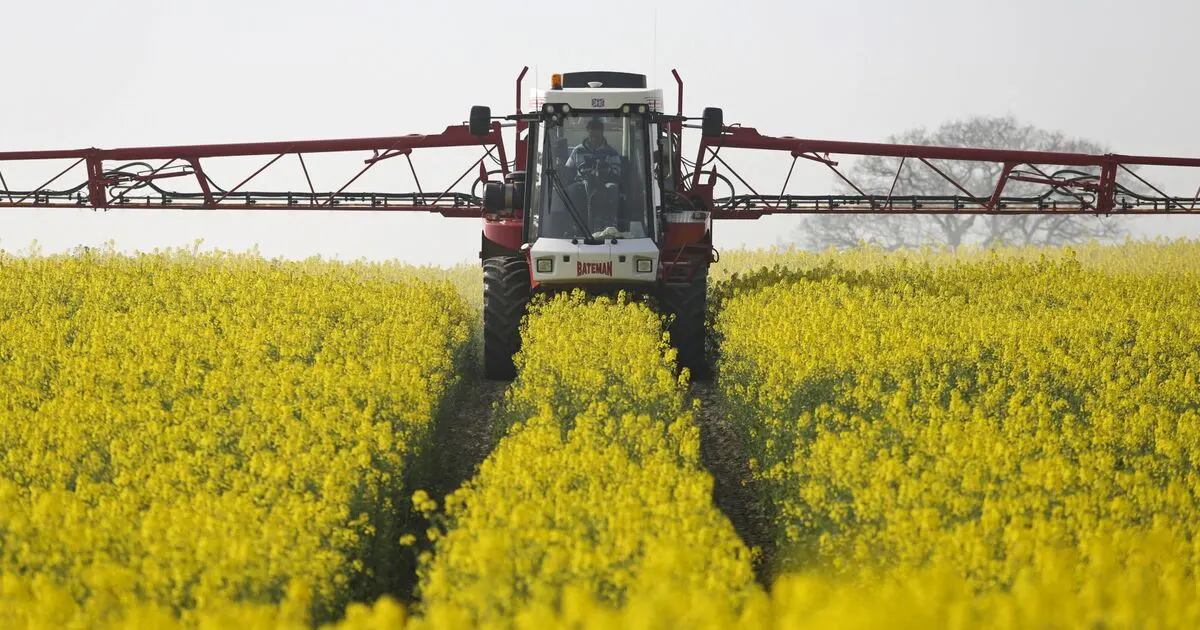
Fertilizer prices have reached a nine-year high as global inflation pushes up input costs. Higher freight rates, increased tariffs, rising energy costs and constrained supplies of nitrogen, potash and phosphate are all contributing.
Growers are applying more fertilizer as corn and wheat values have risen.
Higher fertilizer costs raise the cost of grain production, supporting crop prices and feeding through to feed input costs over time. Elevated nitrogen, potash and phosphate prices also squeeze farm margins and may reduce future planted acreage.
 bloomberg.comElizabeth Elkin27 thg 8, 2021
Sau 92 sự kiện vĩ mô tăng giá trước đây, Urê biến động trung vị +0,0% trong 5 phiên (tăng 50%; nửa giữa từ -2,0% đến +3,6%), và +4,8% trong 20 phiên.
Chưa đủ sự kiện tương tự trong quá khứ để đọc xu hướng lịch sử.
Sau 28 sự kiện vĩ mô tăng giá trước đây, DAP biến động trung vị -0,2% trong 5 phiên (tăng 36%; nửa giữa từ -0,9% đến +1,3%), và -0,8% trong 20 phiên.
Biến động benchmark của từng hàng hóa so với giá đóng cửa trước sự kiện. Số liệu lịch sử gộp các sự kiện cùng loại trong quá khứ; chúng mô tả điều đã xảy ra, không phải điều sẽ xảy ra. Không phải tư vấn đầu tư.
Bloomberg reported fertilizer prices at a nine-year high on higher freight, energy costs and tight phosphate supply, which directly supports DAP price strength on the day of the move.
Bloomberg reported fertilizer prices at a nine-year high on inflation, freight, energy and tight phosphate supply, which fits the DAP price rise, though it was published a day after the move ended.
