Đang tải…
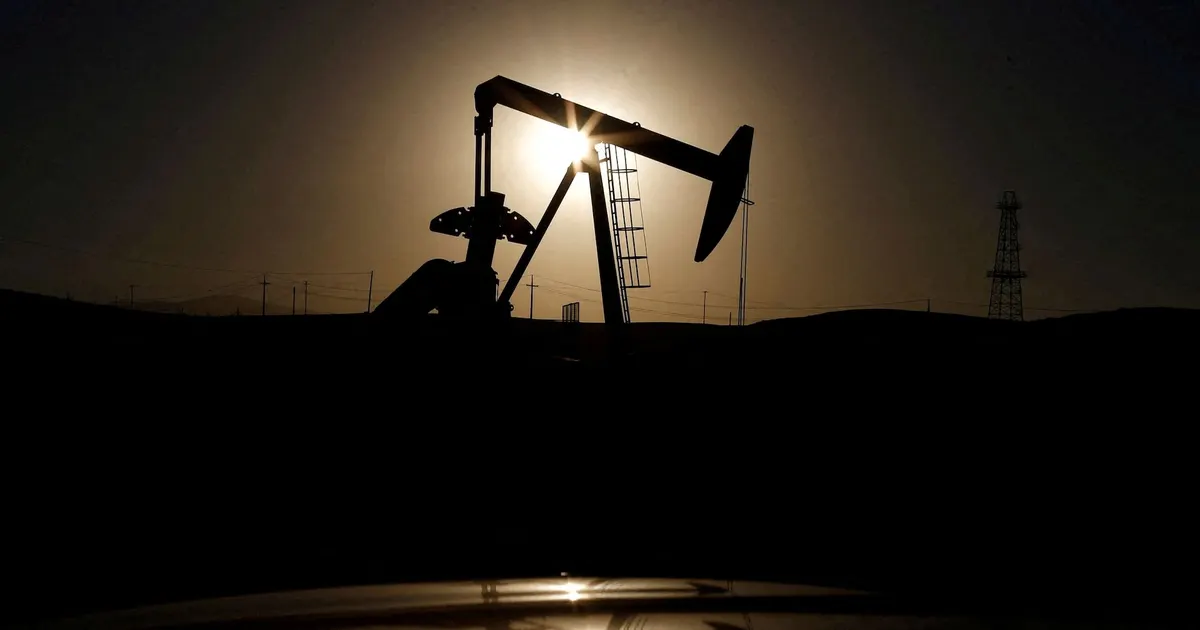
Oil prices spiked and then crashed in March 2022, driven by medium-term fundamentals, strain from disruption to Russian oil exports, and thin market liquidity. The short-term trigger for the sell-off was improved prospects for a truce between Russia and Ukraine.
Extreme crude volatility transmits directly into diesel and energy costs for feed mills and farms, and a Russia-Ukraine truce would ease supply fears that had supported grain and oilseed prices.
 reuters.comJohn Kemp17 thg 3, 2022
Sau 255 sự kiện địa chính trị giảm giá trước đây, Dầu thô (WTI) biến động trung vị -2,4% trong 5 phiên (tăng 31%; nửa giữa từ -7,0% đến +1,7%), và -5,0% trong 20 phiên.
Sau 250 sự kiện địa chính trị giảm giá trước đây, Dầu thô (Brent) biến động trung vị -3,1% trong 5 phiên (tăng 36%; nửa giữa từ -7,9% đến +1,6%), và -5,5% trong 20 phiên.
Sau 51 sự kiện địa chính trị giảm giá trước đây, ULSD / Dầu diesel biến động trung vị -2,4% trong 5 phiên (tăng 37%; nửa giữa từ -8,2% đến +3,9%), và -2,3% trong 20 phiên.
Biến động benchmark của từng hàng hóa so với giá đóng cửa trước sự kiện. Số liệu lịch sử gộp các sự kiện cùng loại trong quá khứ; chúng mô tả điều đã xảy ra, không phải điều sẽ xảy ra. Không phải tư vấn đầu tư.
The sell-off was triggered by improved truce prospects and aggravated by thin liquidity, explaining the sharp collapse.
Explains the crash as unwinding of a spike on thin liquidity, with improved truce prospects as the trigger.
The sell-off was attributed to improved truce prospects and thin liquidity, which amplified the downward move.
The mid-March sell-off on truce hopes created the depressed starting level, so the following rebound was large in percentage terms.
