Đang tải…
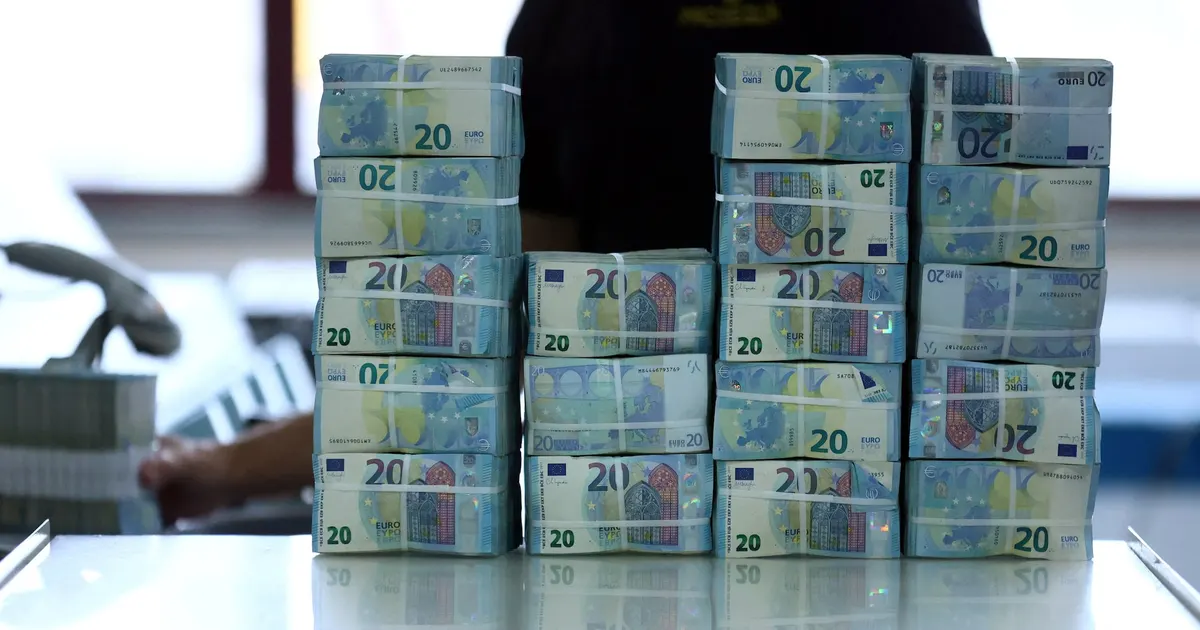
The euro rose to about $1.07, its highest in four months, after the parties forming Germany's next government agreed to overhaul the debt brake. The plan exempts defence spending above 1% of GDP and creates a 500 billion euro infrastructure fund.
Large German fiscal expansion strengthens the euro and eases pressure on European growth, while tariff risks remain. For feed buyers, a firmer euro and stronger European demand for energy and inputs shape import costs and currency-linked prices.
 reuters.comHarry Robertson5 thg 3, 2025
Sau 388 sự kiện vĩ mô tăng giá trước đây, Euro (USD trên EUR) biến động trung vị +0,3% trong 5 phiên (tăng 62%; nửa giữa từ -0,4% đến +1,1%), và +0,1% trong 20 phiên.
Sau 1.637 sự kiện vĩ mô giảm giá trước đây, Đô la Mỹ (diện rộng) biến động trung vị -0,2% trong 5 phiên (tăng 39%; nửa giữa từ -0,6% đến +0,3%), và -0,2% trong 20 phiên.
Biến động benchmark của từng hàng hóa so với giá đóng cửa trước sự kiện. Số liệu lịch sử gộp các sự kiện cùng loại trong quá khứ; chúng mô tả điều đã xảy ra, không phải điều sẽ xảy ra. Không phải tư vấn đầu tư.
Dated on the move day, it reports the euro jumping to about $1.07 after Germany agreed to overhaul the debt brake and create a 500bn euro fund, the main driver of the 2.2% gain.
German debt brake overhaul and 500bn euro fund on March 5 pushed the euro to about $1.07, which mechanically weighed on the broad dollar.
German debt brake overhaul and 500bn euro infrastructure fund sent EUR sharply higher, the main driver of broad dollar weakness via the heavily weighted euro.
The euro rose to about $1.07, a four-month high, as the German debt brake overhaul unwound parity bets, a major driver of the move.
