Đang tải…
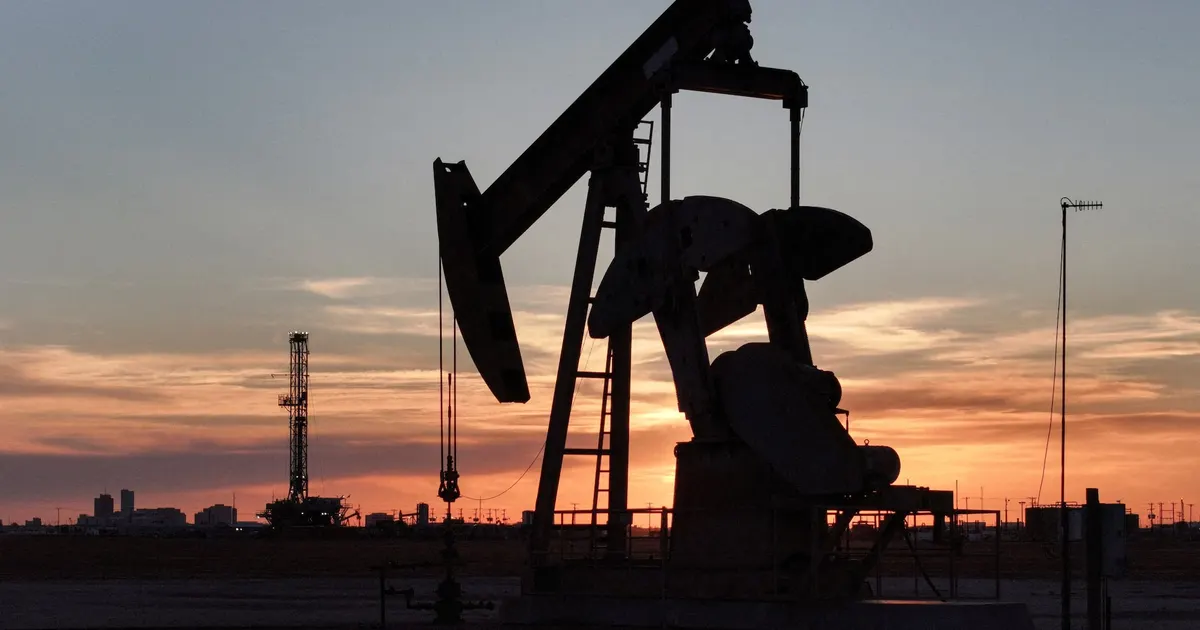
Oil settled up nearly 5% as fresh attacks on ships in the Strait of Hormuz pushed the number of vessels struck to at least 14. Shipping through the strait has nearly stopped since the US and Israel began strikes on Iran on February 28.
The IEA recommended a record 400 million barrel stock release to curb prices.
Disrupted Hormuz shipping removes about a fifth of world oil supply, keeping crude and diesel costs elevated. The record IEA stock release partly offsets supply losses, but ongoing attacks support higher energy and freight costs for feed producers.
 reuters.comShariq Khan10 thg 3, 2026
Sau 626 sự kiện địa chính trị tăng giá trước đây, WTI biến động trung vị +2,1% trong 5 phiên (tăng 62%; nửa giữa từ -2,3% đến +8,5%), và +1,6% trong 20 phiên.
Sau 656 sự kiện địa chính trị tăng giá trước đây, BRENT biến động trung vị +1,9% trong 5 phiên (tăng 63%; nửa giữa từ -2,7% đến +6,6%), và +0,7% trong 20 phiên.
Sau 250 sự kiện địa chính trị tăng giá trước đây, DIESEL biến động trung vị +1,7% trong 5 phiên (tăng 58%; nửa giữa từ -3,6% đến +8,7%), và +0,9% trong 20 phiên.
Chưa đủ sự kiện tương tự trong quá khứ để đọc xu hướng lịch sử.
Biến động benchmark của từng hàng hóa so với giá đóng cửa trước sự kiện. Số liệu lịch sử gộp các sự kiện cùng loại trong quá khứ; chúng mô tả điều đã xảy ra, không phải điều sẽ xảy ra. Không phải tư vấn đầu tư.
Oil settled up ~5% as attacks on ships in Hormuz mounted, adding supply-risk premium despite the record IEA stock release plan.
Oil rose nearly 5% on Mar 10 as attacks on ships in Hormuz mounted (at least 14 vessels struck), adding risk premium that carried into diesel despite the IEA stock release plan.
Oil settled up nearly 5% as ships were attacked in Hormuz, adding to crude and diesel gains during the window.
Attacks on ships in Hormuz (14+ vessels struck) on Mar 10 show the escalating supply risk that carried into Mar 12, partly offset by the stock release plan.
Xem phiên bản 29 giây · Oil settles up nearly 5% as Hormuz attacks hit 14 ships: what it means for feed costs
