Đang tải…
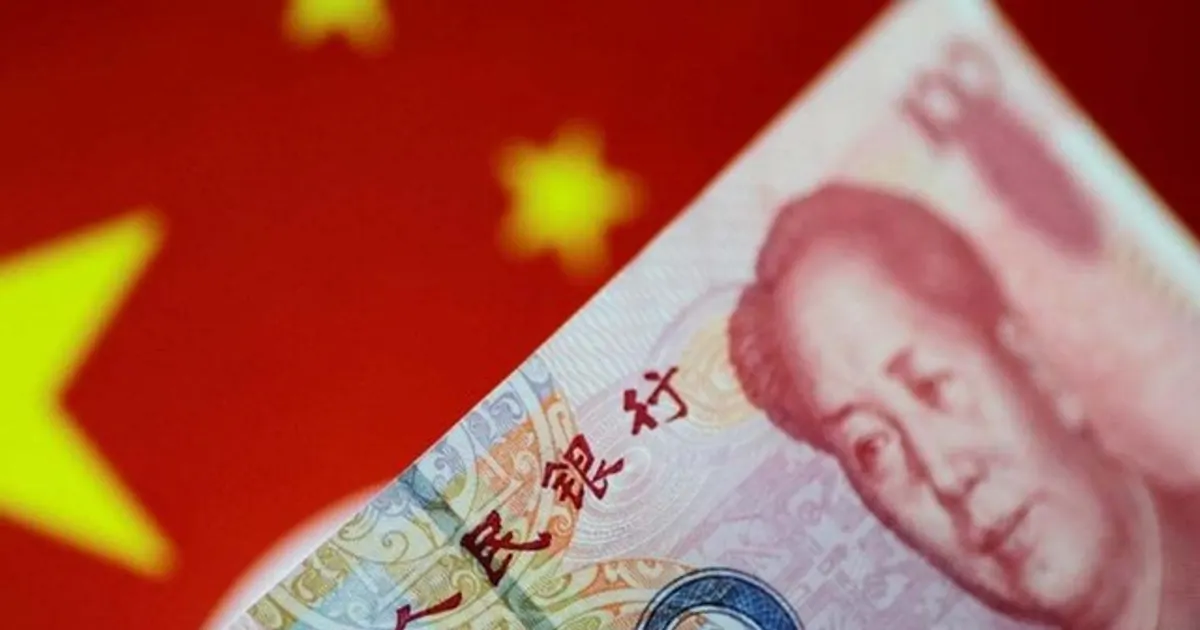
China's yuan slipped against the dollar on August 31 and was set for a third straight monthly decline. August official PMI data showed factory activity expanding more slowly, while the services sector contracted.
Traders are watching the pace of Federal Reserve tapering and upcoming US jobs data.
Weaker Chinese growth signals softer import demand, and a weaker yuan raises the cost of dollar-priced imports for China. Expected policy easing could support Chinese domestic feed demand, but the currency move adds uncertainty to feed import costs.
 brecorder.comReuters31 thg 8, 2021
Sau 398 sự kiện vĩ mô tăng giá trước đây, Nhân dân tệ (CNY trên USD) biến động trung vị +0,0% trong 5 phiên (tăng 56%; nửa giữa từ -0,3% đến +0,5%), và +0,0% trong 20 phiên.
Biến động benchmark của từng hàng hóa so với giá đóng cửa trước sự kiện. Số liệu lịch sử gộp các sự kiện cùng loại trong quá khứ; chúng mô tả điều đã xảy ra, không phải điều sẽ xảy ra. Không phải tư vấn đầu tư.
